Mohammad H. Khakzad – Video Game Designer


Exploring the strengths and limitations of VR across game design choices.
Read more
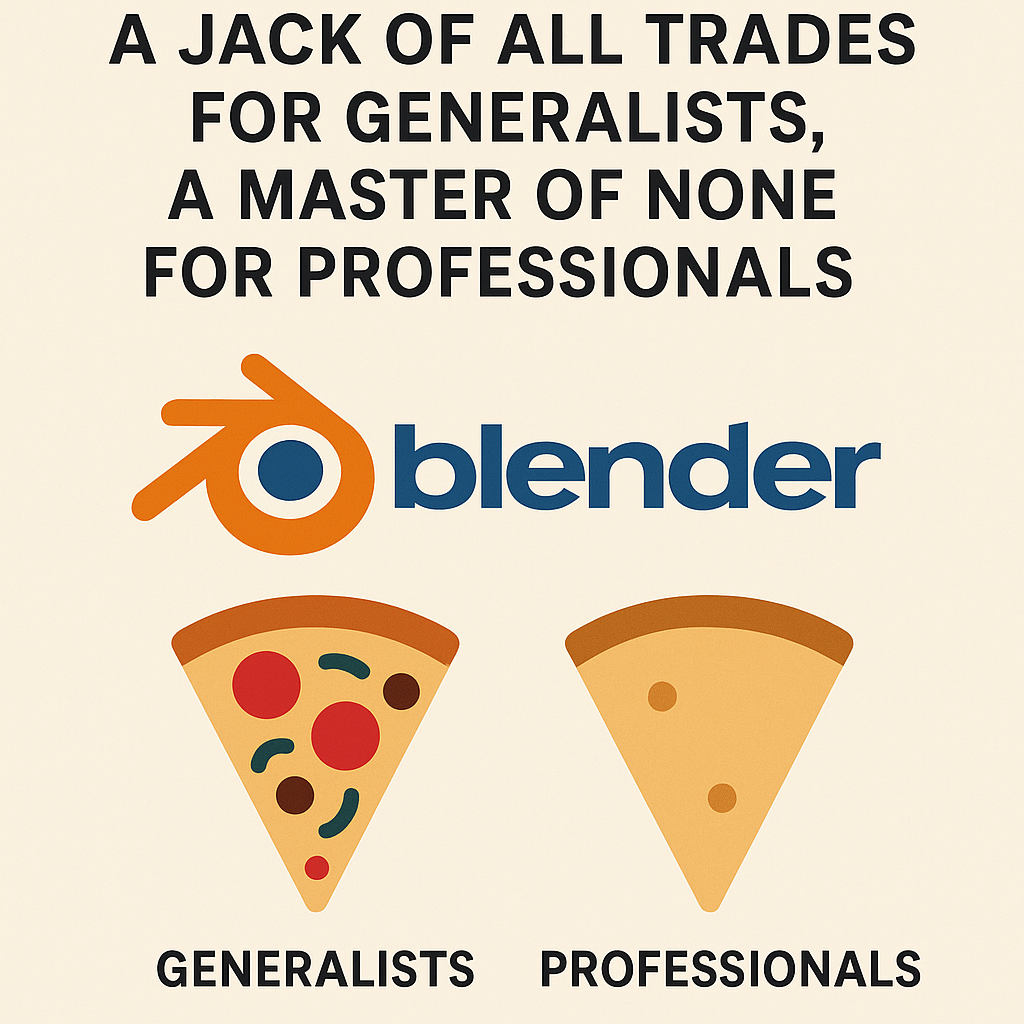
I have lived and taught 3D software for over twelve years. I spent an entire year wrestling with Blender—not out of hype or community pressure, but to understand it myself. The conclusion is clear: Blender is a software that tries to do everything—modeling, animation, compositing, even video editing. It is like a mixed pizza: you taste a bit of everything, but you never get the depth of any one flavor. I am not against Blender; I am against the claims that present it as a “replacement for everything.” Respecting every tool is essential, but so is drawing a line between a learning tool and a professional tool. Blender is great for beginners and small projects, but in specialized and large-scale work, its hidden costs reveal themselves—from paid add-ons to frustrating instability. This article is not an attack on Blender; it is a defense of specialization. Blender has value, but not for everything, and not for everyone.
Read more


Game development may look overwhelming at first, but every great game is built on a few universal foundations. Whether you’re a student, an indie developer, or just curious about how games are made, understanding these basics will give you the right perspective to explore deeper.
Read more
The world of game development is vast. From writing stories to coding engines, from drawing characters to balancing mechanics, every role is a crucial piece of the puzzle. But here’s the big question: which role fits you best?
Read more
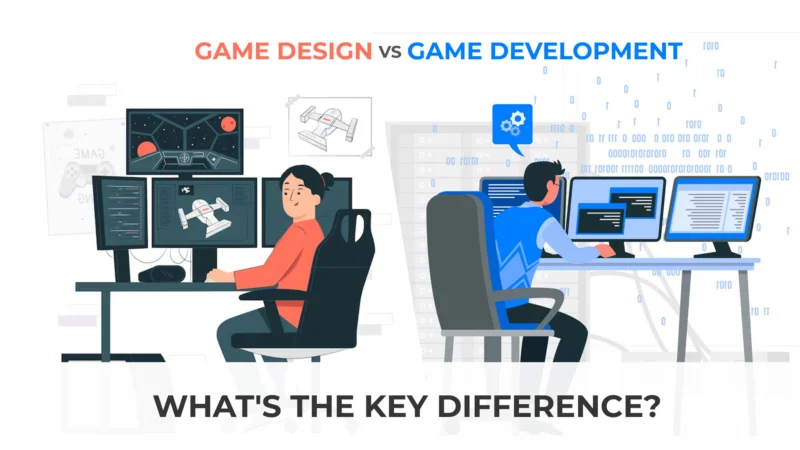
Short answer: A game developer builds the game, while a game designer defines how the game is played. One focuses on execution, the other on experience.
Read more
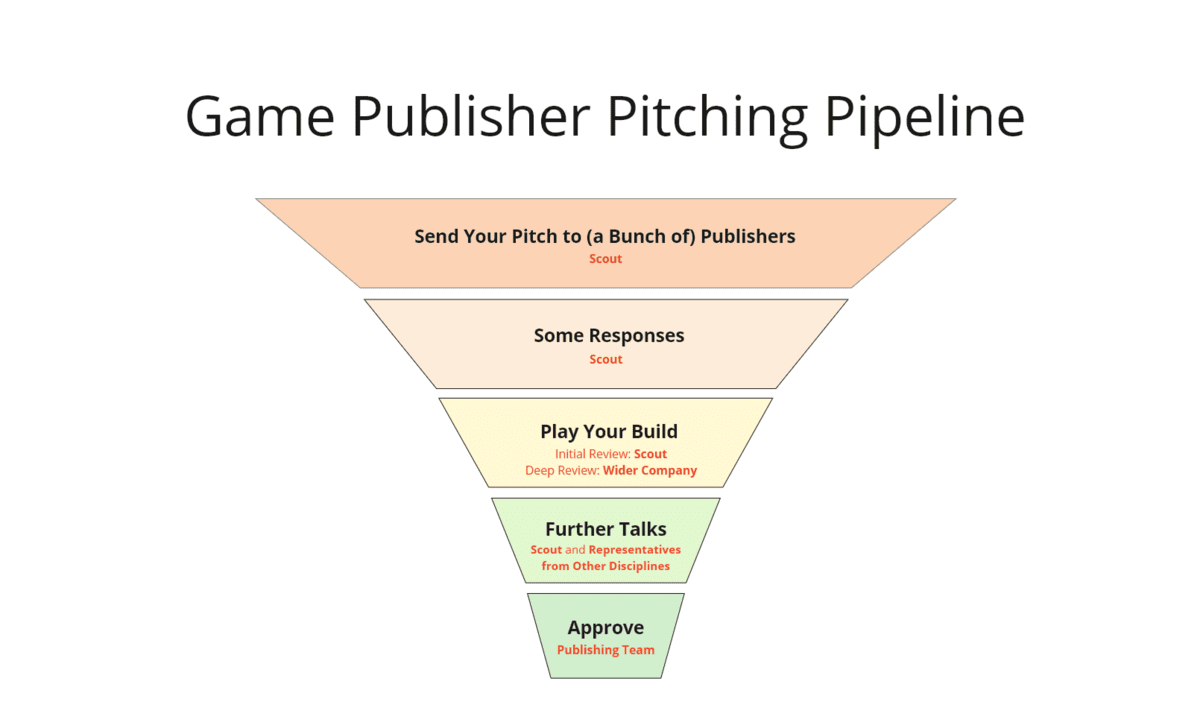
Short answer: Marketing and publishing teams handle the business side of game development—promoting, distributing, and monetizing the game so it reaches players worldwide.
Read more
Short answer: A producer (or project manager) oversees schedules, resources, and communication—ensuring that a game is delivered on time, within budget, and aligned with the team’s goals.
Read more
Short answer: A QA tester ensures the quality of a game by playing it systematically, finding bugs, and reporting issues so the final product is polished, stable, and fun.
Read more
Short answer: A programmer turns game ideas into working systems—writing the code that powers gameplay, graphics, physics, AI, tools, and everything in between.
Read more