01
Nov
Amir H. Erfani – Video Game Designer


The video game industry has grown into one of the most dynamic and influential creative sectors of the 21st century. What began as a niche entertainment form has now surpassed both the film and music industries in terms of global revenue. Today, video games are not only a source of leisure but also powerful platforms for storytelling, education, social connection, and even political expression.
Read more
Short answer: An indie game developer is not simply someone without a publisher or big budget—it’s a creator who chooses independence of thought, vision, and execution.
Read more
Short answer: A game developer is a general term for anyone involved in making games—from coding and design to art, sound, and production. Sometimes it refers specifically to programmers, but in industry usage it often means the creators of games as a whole.
Read more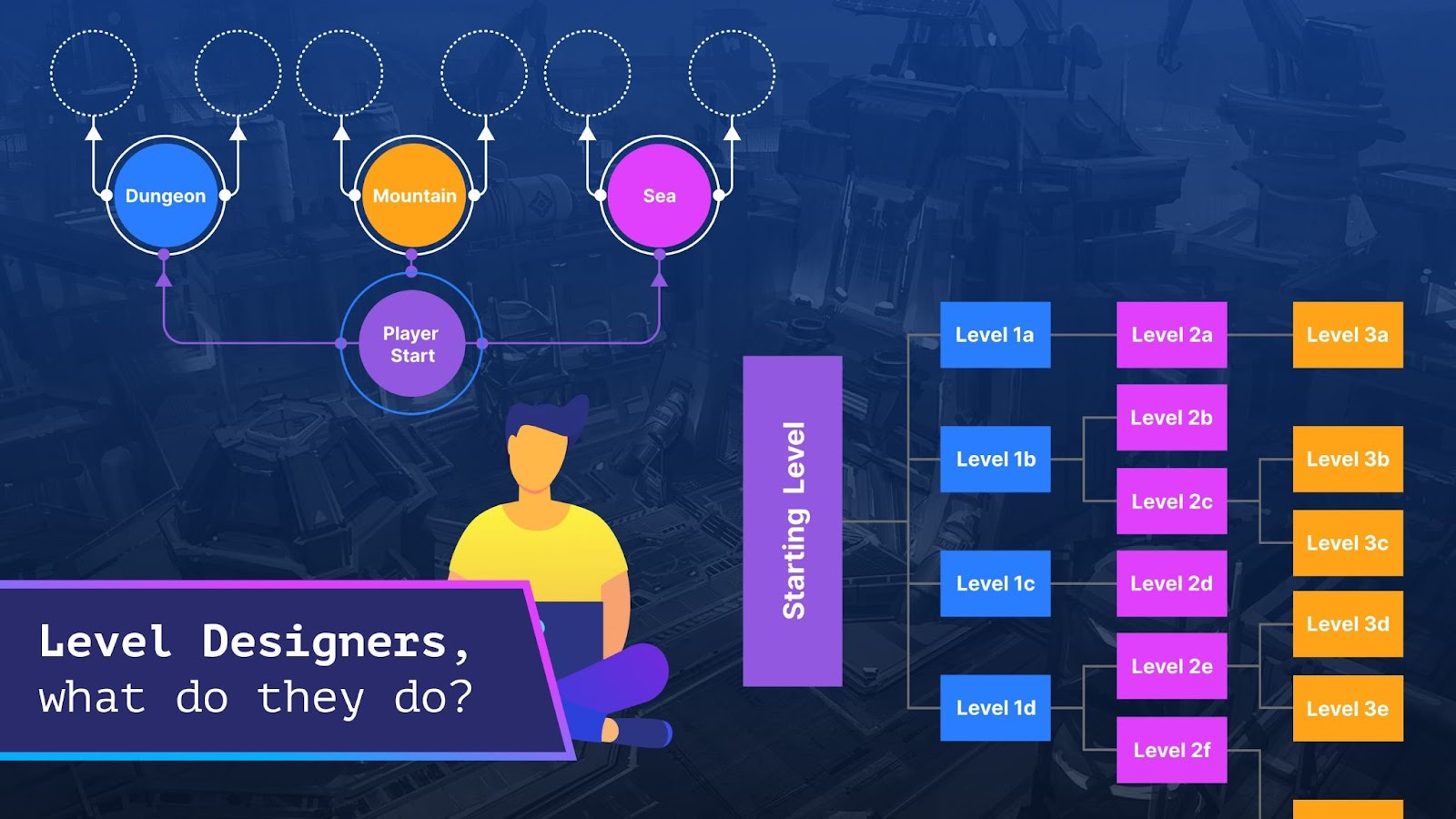
Short answer: A level designer crafts the playable spaces—layouts, encounters, pacing, and moment-to-moment challenges—so the game’s rules turn into memorable experiences.
Read more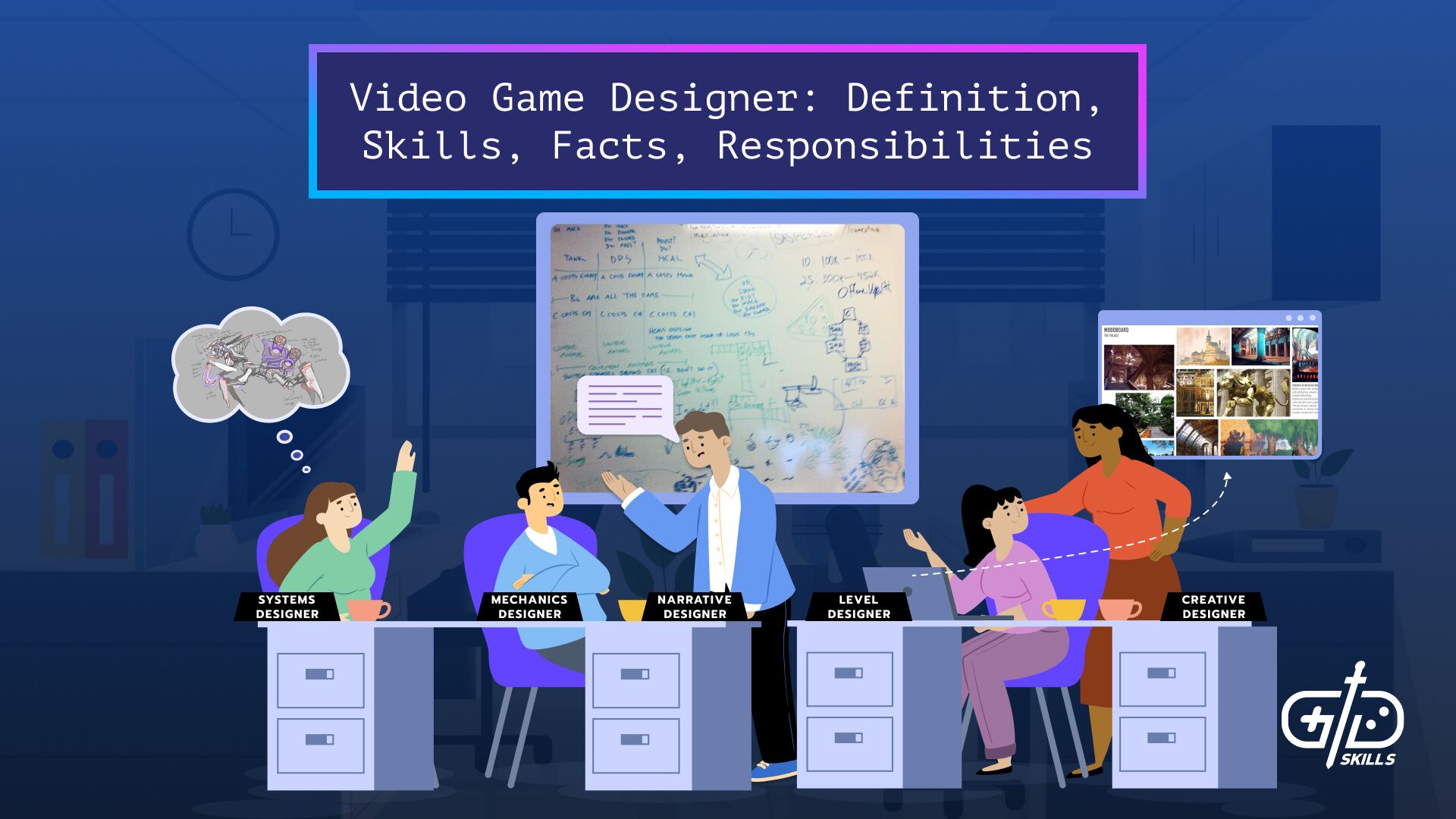
Short answer: A game designer defines how a game works and feels—its rules, systems, goals, challenges, and the moment-to-moment player experience.
Read more
Frank Guan’s article “Why Ever Stop Playing Video Games” explores how many Americans have replaced work hours with gameplay — and ended up happier. Published with striking photography by Javier Laspiur, the piece reflects on the emotional and social benefits of gaming, challenging traditional views on work and leisure. It’s a thoughtful read for anyone interested in the impact of video games on modern life. You can read the full article here. This excerpt is shared under fair use for educational and non-commercial purposes. All rights to the original content belong to Frank Guan and New York Magazine.