
Part 1: Game Genres
Game Genres – Introduction
In game development, a genre defines the core style of gameplay, mechanics, and overall player experience.
While the story, visuals, and characters may vary, the genre tells players what kind of challenges, emotions, and interactions they can expect.
Understanding genres is crucial for both developers and players — for developers, it shapes design decisions; for players, it sets expectations before they even start the game.
Genres are not rigid boxes — many modern games combine multiple genres to create unique experiences.
For example, a game might blend horror and survival elements, or combine action with role-playing mechanics.
In this section, we’ll explore some of the most popular game genres, looking at their core characteristics and examples from the industry.
This knowledge will help you design games that are clear in their identity and appealing to your target audience.
Horror Genre
The horror genre in video games is designed to evoke feelings of fear, tension, and suspense in the player.
These games often create unsettling atmospheres through a combination of eerie visuals, haunting sound design, and limited player resources.
The goal is not always to overpower enemies, but to survive and endure terrifying situations.
Horror games can take different forms, such as psychological horror that disturbs the mind, survival horror that emphasizes resource management, or action horror that blends combat with frightening scenarios.
They frequently use lighting, pacing, and environmental storytelling to build anticipation and keep players on edge.
Memorable horror titles often leave a lasting emotional impact, making players remember not just the scares, but the tension and helplessness they felt.
Some notable examples include:
Subgenres of Horror Games
1. Survival Horror
Survival horror focuses on resource scarcity, forcing players to manage ammunition, health items, and tools carefully.
The limited resources amplify tension because every encounter becomes a risk, and running away can be as important as fighting.
Exploration and puzzle-solving are often integrated into the gameplay, increasing the sense of vulnerability.
Examples:
- Resident Evil 2 Remake – Blends combat and puzzle-solving with strict resource management.
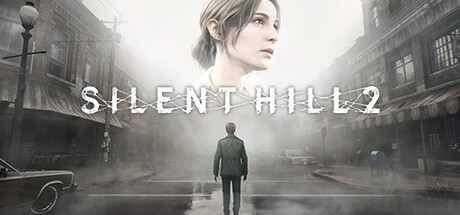
- Silent Hill 2 – A psychological twist on survival horror with deep emotional storytelling.
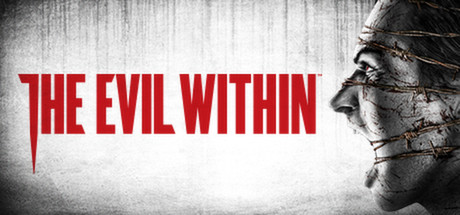
- The Evil Within – Combines action and survival elements within disturbing environments.
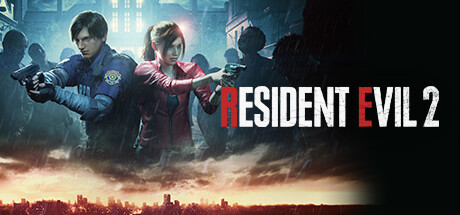
Poster: Steam
2. Psychological Horror
This subgenre aims to disturb the player’s mind rather than relying solely on jump scares.
It often uses abstract visuals, disturbing themes, and unreliable narratives to make the player question reality.
The fear comes from atmosphere, character behavior, and hidden meanings rather than constant monster encounters.
Examples:
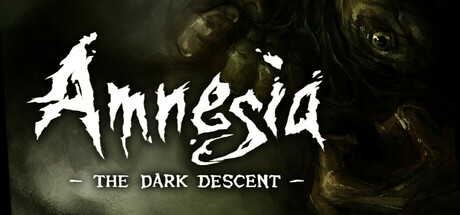
- Amnesia: The Dark Descent – Focuses on fear of the unknown and mental deterioration.
- Layers of Fear – Uses surreal environments and shifting realities to unsettle players.
- Silent Hill 2 – A perfect mix of psychological horror and emotional depth.

3. Action Horror
Action horror keeps the unsettling atmosphere of horror games but adds more frequent combat and player empowerment.
Players usually have stronger weapons and more resources, but enemies are still terrifying and dangerous.
The pacing alternates between intense action sequences and slower, suspenseful moments.
Examples:
- Resident Evil 4 – High-action gameplay with plenty of scares and cinematic tension.
- Dead Space – Intense combat against horrifying alien creatures in claustrophobic spaces.
- The Last of Us – A narrative-driven blend of survival, action, and emotional horror.
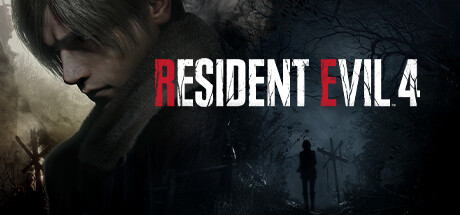
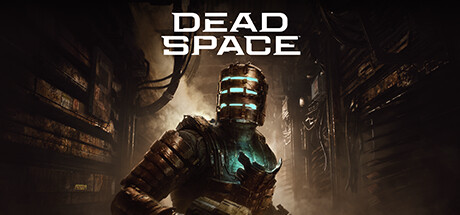
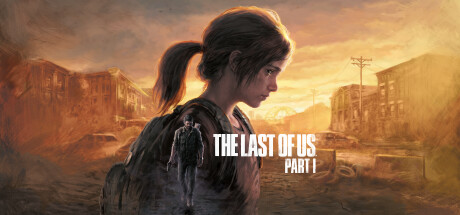
Poster: Steam
Action Genre
The action genre emphasizes physical challenges, fast-paced gameplay, and hand-eye coordination.
Players are usually required to respond quickly to threats, perform precise movements, and master various combat mechanics.
Action games often focus on reflexes and timing rather than story or deep exploration, although many modern titles blend action with narrative elements.
Action games come in a variety of forms, from platformers to shooters, and may include both melee and ranged combat.
The excitement comes from dynamic gameplay, challenging enemies, and the satisfaction of mastering skills or combos.
Notable examples of action games include:
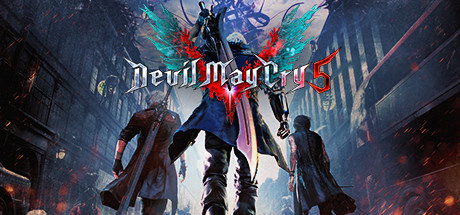
- Devil May Cry 5 – Fast-paced combo-heavy combat with stylish action.
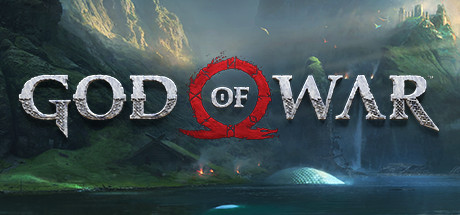
- God of War (2018) – Combines epic narrative with dynamic action sequences.
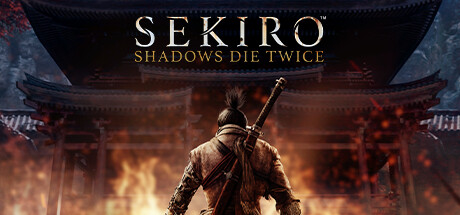
- Sekiro: Shadows Die Twice – Intense precision combat emphasizing timing and skill.
Subgenres of Action Games
1. Platformers
Platformers focus on jumping, climbing, and navigating obstacles.
They often require precise timing and spatial awareness.
Classic or modern examples include:
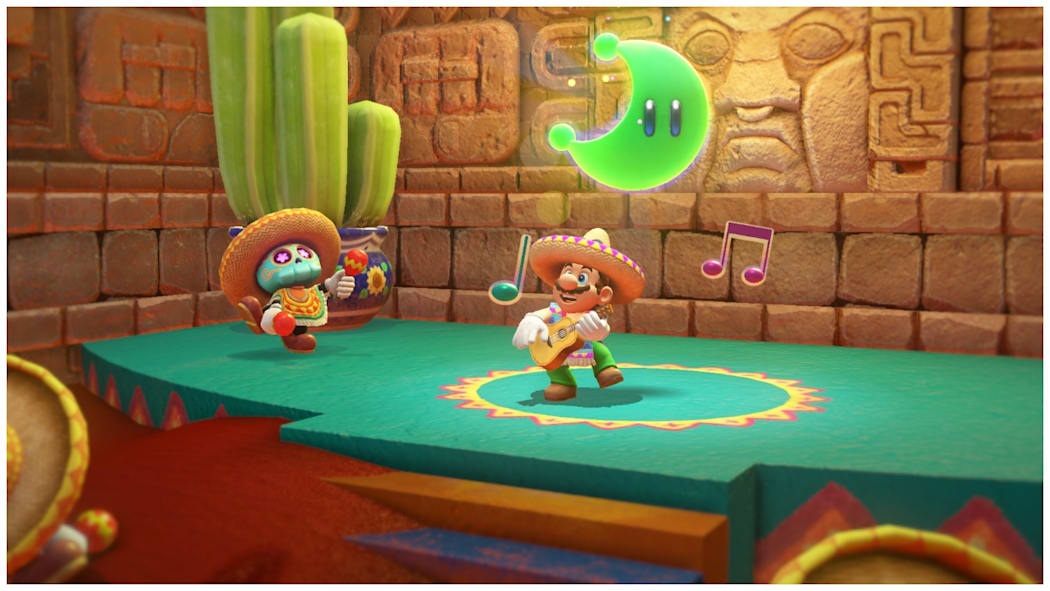
- Super Mario Odyssey – Exploration and platforming challenges in 3D worlds.
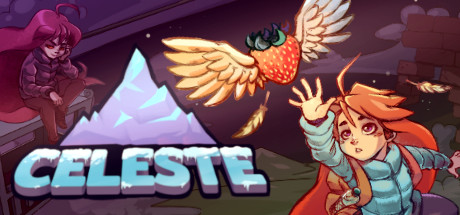
- Celeste – Tight controls and challenging platforming sequences.
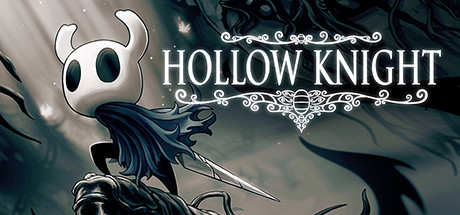
- Hollow Knight – Combines exploration with platforming in a dark, hand-drawn world.
2. Hack and Slash / Melee Combat
This subgenre emphasizes close-range combat with swords, fists, or melee weapons.
Players often face multiple enemies at once, requiring strategy and skillful combos.
Examples:
- Devil May Cry 5 – Stylish, fast-paced melee combat.
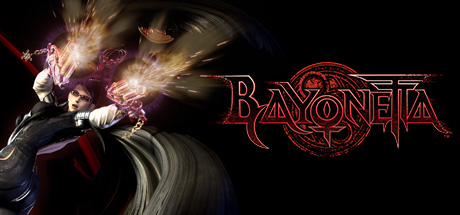
- Bayonetta – Over-the-top action with creative combos.
- God of War (2018) – Combines narrative depth with fluid melee mechanics.
3. Shooter (First-Person / Third-Person)
Shooter games revolve around ranged combat with guns or projectiles.
First-person shooters (FPS) place the camera in the player’s eyes, while third-person shooters (TPS) show the character on-screen.
Examples:
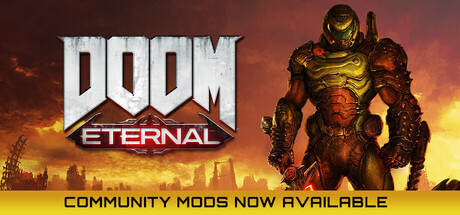
- Doom Eternal – High-speed, visceral first-person shooting.
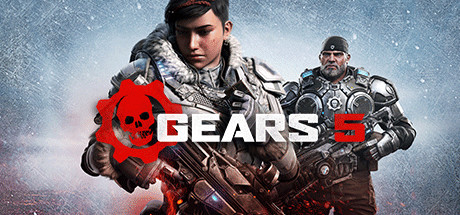
- Gears 5 – Third-person cover-based shooting with strategic elements.
- Call of Duty: Modern Warfare (2019) – Combines realistic shooting mechanics with cinematic action.

Adventure Genre
The adventure genre focuses on exploration, storytelling, and puzzle-solving rather than fast-paced combat.
Players are encouraged to interact with the game world, uncover secrets, and experience a narrative-driven journey.
Adventure games often emphasize character development, plot, and immersive environments, providing a slower-paced but deeply engaging experience.
Adventure games can include point-and-click mechanics, open-world exploration, or narrative-driven choices.
The enjoyment comes from discovery, problem-solving, and experiencing rich stories that react to the player’s actions.
Notable examples of adventure games include:
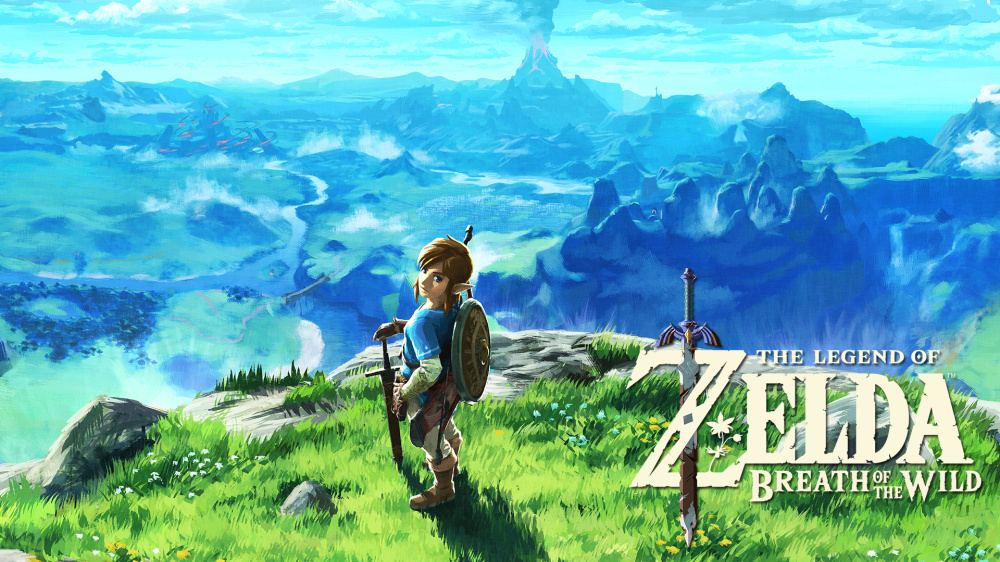
- The Legend of Zelda: Breath of the Wild – Open-world exploration with puzzle-solving and quests.
- Life is Strange – Narrative-driven choices that affect the story and character relationships.
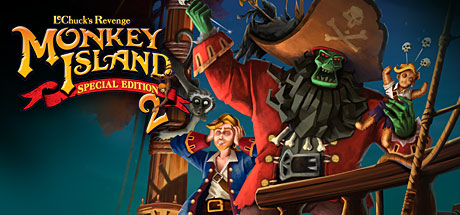
- Monkey Island 2: LeChuck’s Revenge – Classic point-and-click adventure full of puzzles and humor.

Subgenres of Adventure Games
1. Point-and-Click Adventure
Players interact with environments by clicking to solve puzzles, gather items, and advance the story.
This subgenre emphasizes logic, observation, and narrative.
Examples:
- Monkey Island 2: LeChuck’s Revenge – Classic puzzles and humorous storytelling.
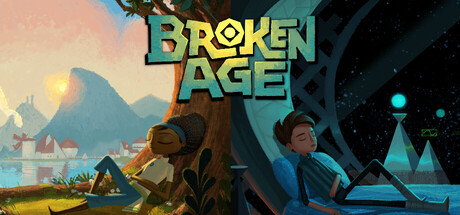
- Broken Age – Modern point-and-click with charming art and intricate puzzles.
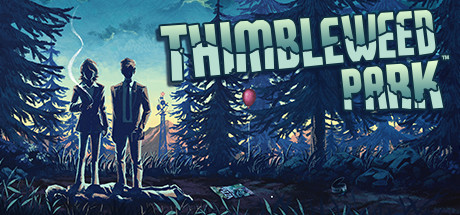
- Thimbleweed Park – Combines retro style with complex story-driven puzzles.
2. Open-World Adventure
These games allow players to freely explore large environments, discover hidden content, and engage in side quests.
Exploration and player choice are core to the experience.
Examples:
- The Legend of Zelda: Breath of the Wild – Expansive world with freedom to explore.
- Red Dead Redemption 2 – Detailed open world with immersive storytelling.
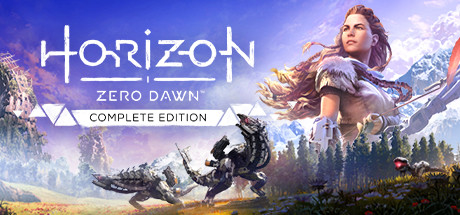
- Horizon Zero Dawn – Combines exploration, combat, and narrative in an open world.
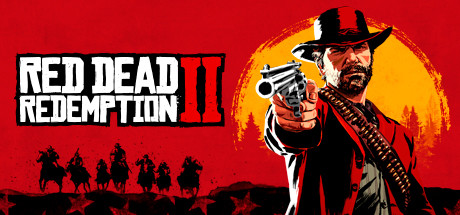
Poster: Steam
3. Narrative-Driven Adventure
This subgenre emphasizes storytelling and player choices that influence outcomes.
Combat may be minimal or absent, focusing on characters and plot.
Examples:
- Life is Strange – Emotional story with impactful player decisions.
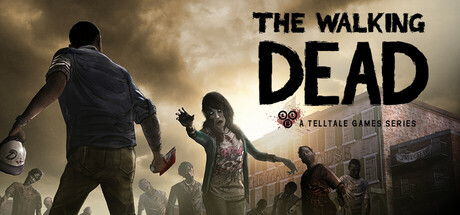
- The Walking Dead (Telltale) – Episodic choices affecting the story and characters.
- Firewatch – Exploration and dialogue-driven narrative in a visually striking environment.

Role-Playing Games (RPG)
The RPG genre focuses on character progression, immersive worlds, and player choice.
In RPGs, players often take on the role of a specific character (or create their own) and guide them through a world filled with quests, challenges, and narrative depth.
Leveling up, acquiring new skills, and customizing gear are core mechanics of the genre.
RPGs emphasize story, exploration, and decision-making.
They may be turn-based or real-time, and often include branching narratives that respond to the player’s actions.
A strong sense of immersion is achieved through detailed worlds, rich lore, and character development.
Some of the most memorable RPGs combine deep storytelling with engaging gameplay systems.
Notable examples include:
- The Witcher 3: Wild Hunt – Open-world RPG with rich story and complex choices.
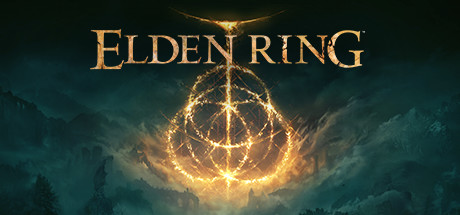
- Elden Ring – Expansive world with challenging combat and exploration.
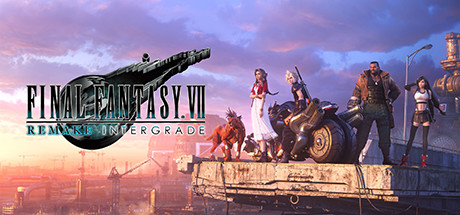
- Final Fantasy VII Remake – A modern reimagining of a classic turn-based RPG.
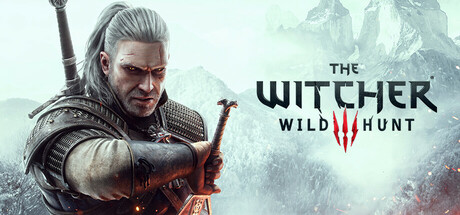
Poster: Steam
Subgenres of RPGs
1. Action RPG (ARPG)
Blends real-time combat with RPG progression systems.
Players directly control combat rather than relying on turn-based mechanics.
Examples:
- The Witcher 3: Wild Hunt – Combines action combat with RPG storytelling.
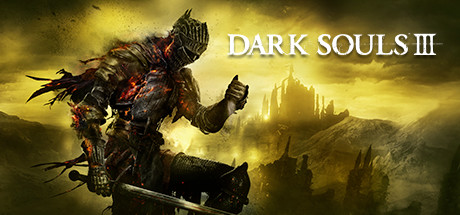
- Dark Souls III – Challenging real-time combat with character progression.
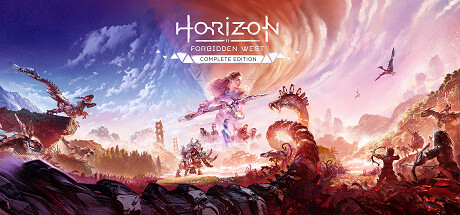
- Horizon Forbidden West – Real-time battles with RPG gear upgrades.
2. Turn-Based RPG
Players take turns performing actions, allowing for strategic planning.
Combat relies on tactics rather than reflexes.
Examples:
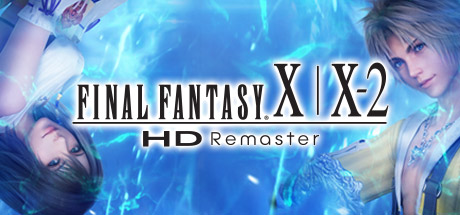
- Final Fantasy X – Strategic turn-based battles with party management.
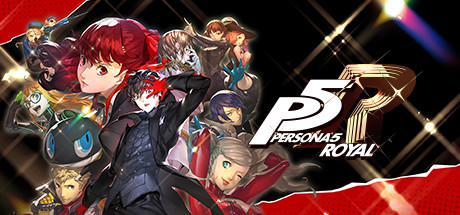
- Persona 5 Royal – Stylish turn-based combat and social simulation.
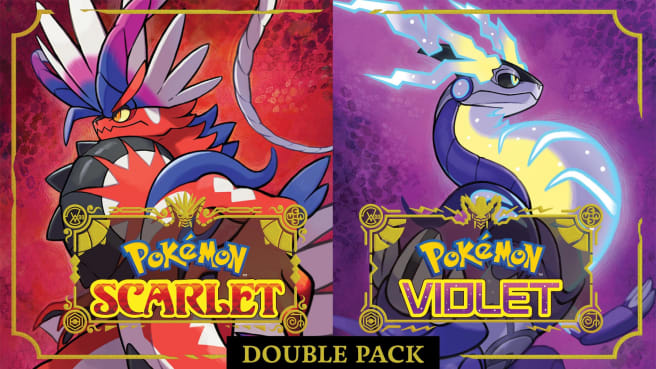
- Pokémon Scarlet/Violet – Creature collection with tactical turn-based battles.
Poster: Steam
3. MMORPG (Massively Multiplayer Online RPG)
Large-scale online RPGs where thousands of players share the same persistent world.
Focus on cooperative gameplay, trading, and social interaction.
Examples:
- World of Warcraft – One of the most popular MMORPGs ever.
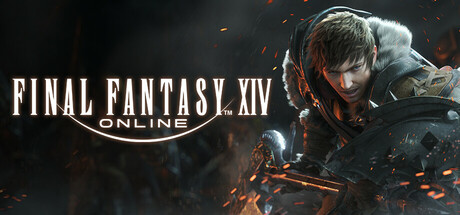
- Final Fantasy XIV – Story-driven MMO with regular content updates.
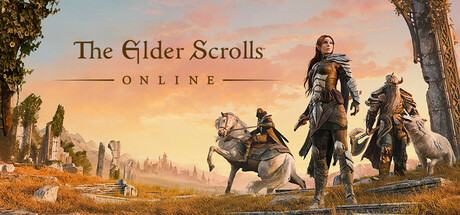
- The Elder Scrolls Online – Expansive online world with RPG freedom.

Simulation & Strategy Games
The simulation and strategy genres focus on planning, decision-making, and sometimes realistic system management.
Simulation games aim to replicate real-life activities or systems, giving players control over various aspects without necessarily having a final “win” condition.
Strategy games, on the other hand, challenge the player to think ahead, manage resources, and outsmart opponents.
Both genres require patience, attention to detail, and long-term thinking.
While simulations can be relaxing and open-ended, strategy games often involve competitive elements, whether against AI or other players.
Many games blend the two genres, offering realistic scenarios that also require strategic thinking.
Notable examples include:
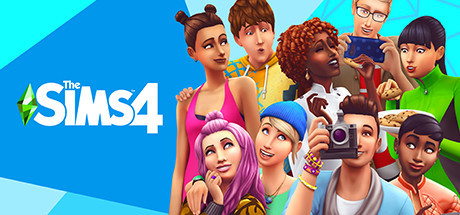
- The Sims 4 – Life simulation with player-created stories.
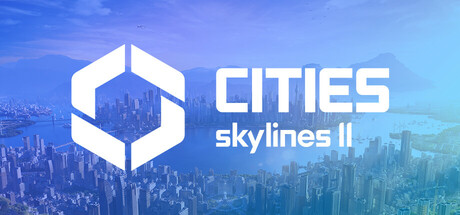
- Cities: Skylines II – City-building with resource management.
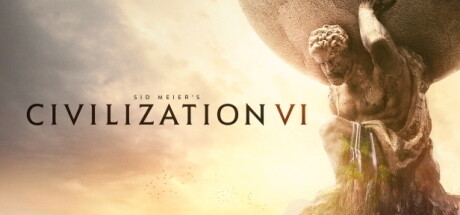
- Civilization VI – Turn-based strategy focused on building an empire.
Subgenres of Simulation & Strategy
1. Life Simulation
Focuses on everyday life activities, relationships, and environments.
Often open-ended, allowing players to set their own goals.
Examples:
- The Sims 4 – Create and control virtual people’s lives.
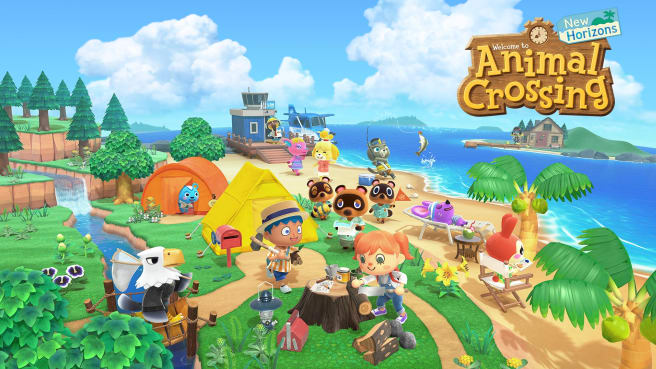
- Animal Crossing: New Horizons – Manage a village, interact with characters, and customize your environment.
- Stardew Valley – Farm life simulation with community interaction.
2. City-Building Simulation
Players design, manage, and expand a city, balancing resources, growth, and citizen needs.
Examples:
- Cities: Skylines II – Modern city-building with deep customization.
- SimCity (2013) – Classic city management series.
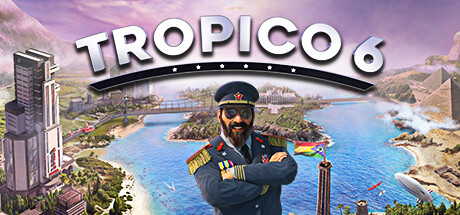
- Tropico 6 – Political city-building with humorous themes.
3. Turn-Based Strategy (TBS)
Gameplay progresses in turns, allowing players to carefully plan moves.
Examples:
- Civilization VI – Expand and lead a civilization through the ages.
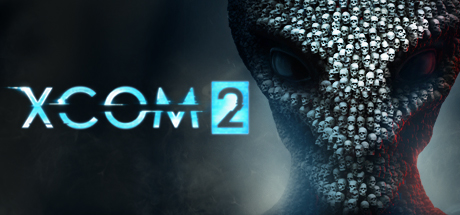
- XCOM 2 – Tactical squad-based combat.
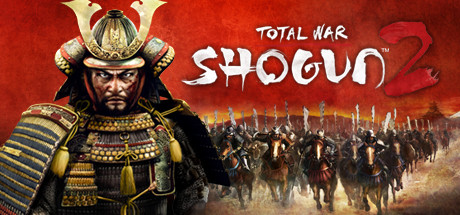
- Total War: Shogun 2 – Combines turn-based strategy with real-time battles.
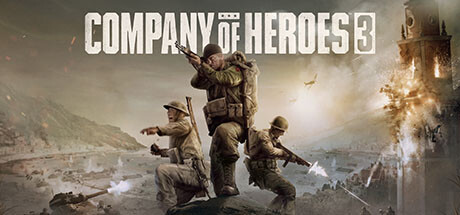
4. Real-Time Strategy (RTS)
Players make decisions and issue commands in real-time, requiring quick thinking and multitasking.
Examples:
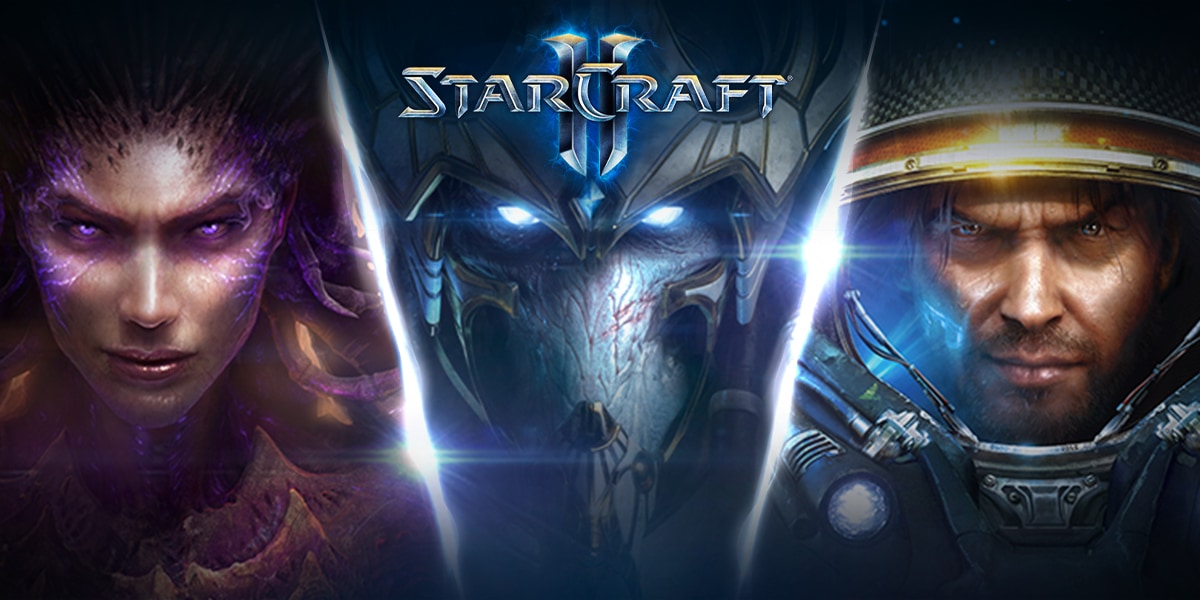
- StarCraft II – Iconic sci-fi real-time strategy.
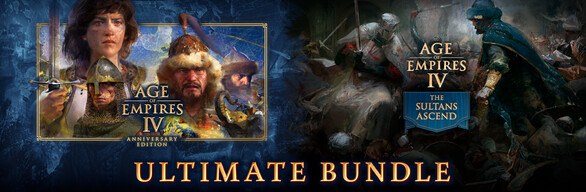
- Age of Empires IV – Historical RTS with empire-building.
- Company of Heroes 3 – Realistic WWII real-time tactics.
Sports Genre
The sports genre focuses on recreating real-world sports or creating fictional athletic competitions.
These games capture the excitement, strategy, and skill of sports, whether through realistic simulation or arcade-style gameplay.
Sports titles often appeal to both gamers and fans of the actual sport, creating communities that mirror real-life fandom.
One of the strengths of sports games is their variety in style and realism.
Some emphasize authentic simulation, where players experience the rules and strategies of the sport, while others take a more arcade-like approach, prioritizing fun and accessibility over accuracy.
Multiplayer—both online and local—plays a huge role, making sports games a popular choice for competitive and social play.
The genre also has strong ties to esports, with global tournaments and professional players competing at the highest level.
Licensing real teams, athletes, and stadiums adds immersion and keeps franchises like FIFA or NBA 2K relevant year after year.
Subgenres of Sports Games
1. Team Sports
Simulation or arcade-style adaptations of real-world team sports.
Examples:
- FIFA 22 – Realistic football simulation with licensed teams and leagues.
- NBA 2K24 – Basketball simulation with authentic gameplay and graphics.
- Rocket League – A fictional twist: football played with cars.


2. Extreme & Alternative Sports
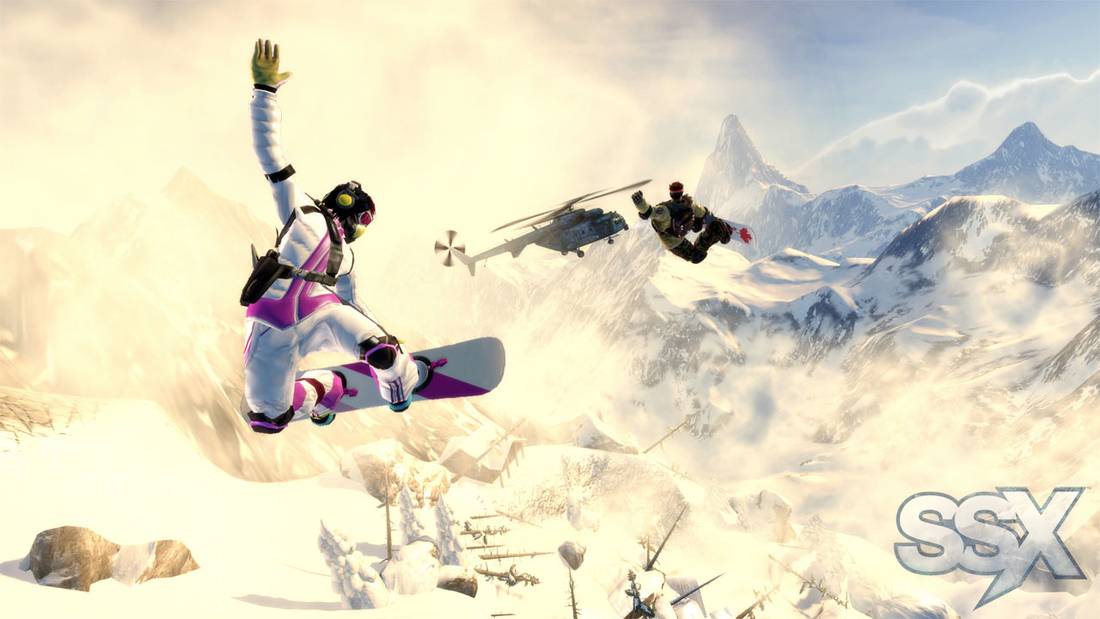
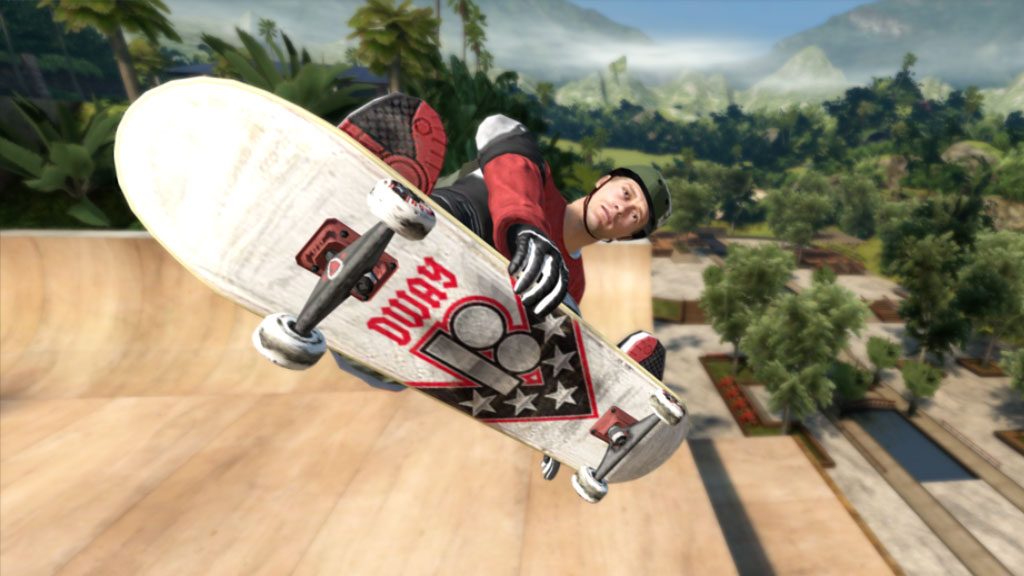
Focus on sports outside the mainstream, often emphasizing tricks and stunts.
Examples:
- Tony Hawk’s Pro Skater 1+2 – Skateboarding with arcade-style tricks.
- SSX – High-energy snowboarding with over-the-top moves.
- Skate 3 – A more grounded skateboarding experience.

Poster: Polygon
3. Sports Management
Games where players act as coaches or managers rather than athletes.
Examples:
Motorsport Manager – Focused on running a racing team.
Football Manager 2024 – Deep simulation of team and player management.
Out of the Park Baseball – A baseball management simulator.


Poster: Steam

Puzzle Genre
The puzzle genre emphasizes problem-solving, logic, and critical thinking rather than fast reflexes or combat.
Puzzle games challenge players with tasks that require pattern recognition, memory, and creative solutions.
They can be relaxing, mentally stimulating, or even story-driven, depending on their design.
One of the key strengths of puzzle games is their accessibility.
They often have simple mechanics but deep challenges, making them appealing to both casual players and hardcore fans.
Puzzles can stand alone as the main focus or be integrated into other genres like adventure, horror, or platformers to add variety and pacing.
Puzzle games are also extremely diverse, ranging from classic match-three mechanics to narrative-driven mysteries.
Their flexibility allows developers to experiment with art styles, mechanics, and storytelling while keeping the core focus on the player’s intellect.
Subgenres of Puzzle Games
1. Logic & Brain Teasers
Focus on critical thinking, mathematics, or logical reasoning.
Examples:
- Sudoku (various digital versions) – Classic number-based logic puzzles.
- The Witness – Environmental puzzles requiring observation and logic.
- Professor Layton and the Curious Village – Puzzle-solving combined with storytelling.
2. Physics-Based Puzzles
Rely on realistic or exaggerated physics systems.
Examples:
- Portal 2 – First-person puzzle game using portals and physics.
- World of Goo – Building structures with sticky goo balls.
- Human: Fall Flat – Comedic physics puzzles with wobbly characters.
3. Match & Casual Puzzles
Accessible, often mobile-friendly puzzle formats.
Examples:
- Candy Crush Saga – Iconic match-three puzzle game.
- Tetris Effect – A modern take on the classic block-stacking game.
- Bejeweled 3 – One of the early match-three puzzle successes.
Sandbox / Open-World Genre
The sandbox or open-world genre gives players the freedom to explore, experiment, and interact with a vast environment at their own pace.
Unlike linear games that guide players through a strict path, sandbox titles provide multiple ways to achieve objectives—or even allow players to ignore them completely.
The focus is on freedom, creativity, and player-driven experiences.
One of the main strengths of open-world games is immersion and agency.
Players can create their own stories, discover hidden areas, and engage in side activities beyond the main quest.
This makes the world feel alive, often supported by dynamic systems such as day-night cycles, weather, and AI-driven NPCs.
Sandbox mechanics can exist across multiple genres, from survival crafting to RPGs.
The common thread is the player’s ability to make choices and shape their own experience rather than following a fixed narrative.
Subgenres of Sandbox / Open-World
1. Survival Sandbox
Focuses on resource gathering, crafting, and survival in open environments.
Examples:
- Minecraft – A creative and survival sandbox where players build and explore infinite worlds.
- Rust – A multiplayer survival game centered on crafting and PvP combat.
- ARK: Survival Evolved – Survive in a world full of dinosaurs with crafting and base-building.
2. Open-World RPG
Blends exploration with RPG mechanics like quests, leveling, and narrative.
Examples:
- The Witcher 3: Wild Hunt – A massive open-world RPG with rich storytelling.
- Elden Ring – A dark fantasy RPG with open exploration and freedom.
- Skyrim – A legendary RPG offering endless quests and exploration.
3. Creative Sandbox
Encourages experimentation and player-created content.
Examples:
- Garry’s Mod – A physics sandbox for building and experimenting.
- Terraria – A 2D sandbox with crafting, exploration, and combat.
- Dreams – A platform for players to create and share their own games and art.
Shooter (FPS/TPS) Genre
The shooter genre centers on combat using ranged weapons such as guns, bows, or futuristic blasters.
It emphasizes accuracy, reflexes, and tactical positioning, with gameplay often viewed from either a first-person perspective (FPS) or a third-person perspective (TPS).
Shooters can be fast-paced and chaotic or slow and tactical, depending on the design.
The strength of shooter games lies in their intensity and competitive appeal.
Many shooters feature online multiplayer, esports scenes, and cooperative gameplay, making them some of the most played titles worldwide.
Single-player shooters often mix shooting mechanics with storytelling and exploration to create cinematic experiences.
Shooters also have diverse settings, from realistic military simulations to sci-fi or horror hybrids.
This flexibility has made the genre one of the most enduring and influential in the entire gaming industry.
Subgenres of Shooter Games
1. First-Person Shooter (FPS)
The camera shows the game through the protagonist’s eyes, enhancing immersion.
Examples:
- Call of Duty: Modern Warfare II – Military FPS with cinematic campaigns and online play.
- Doom Eternal – Fast-paced demon-slaying FPS with intense combat.
- Overwatch 2 – A hero-based FPS blending shooting with team abilities.
2. Third-Person Shooter (TPS)
The camera is positioned behind the player, offering broader spatial awareness.
Examples:
- Gears 5 – A TPS with cover-based shooting mechanics and story-driven gameplay.
- Fortnite – A TPS battle royale with building mechanics.
- The Division 2 – Tactical third-person shooting in an open-world setting.
3. Tactical & Hybrid Shooters
Focus on strategy, realism, or mixing genres.
Examples:
- Rainbow Six Siege – A tactical shooter emphasizing teamwork and destructible environments.
- Destiny 2 – A hybrid FPS with MMO and RPG elements.
- Escape from Tarkov – A hardcore survival FPS with realistic mechanics.
Platformer Genre
The platformer genre is one of the most iconic and enduring in gaming history.
It focuses on navigating environments by jumping between platforms, avoiding obstacles, and often defeating enemies along the way.
Platformers can be 2D or 3D, but the essence of the genre lies in precise movement, timing, and exploration.
Platformers are known for their accessibility and variety.
Some emphasize fast-paced, action-oriented gameplay, while others highlight puzzle-solving and creative level design.
They often feature iconic mascots and colorful worlds, making them appealing across all age groups.
The genre has evolved significantly, moving from side-scrolling classics to open 3D environments.
Despite technological shifts, platformers remain a core genre due to their simple yet deeply engaging mechanics.
Subgenres of Platformers
1. 2D Side-Scrolling Platformers
Classic style with horizontal progression.
Examples:
- Super Mario Bros. – The legendary foundation of platformers.
- Celeste – A modern indie platformer focused on precision and story.
- Hollow Knight – A Metroidvania mixing platforming with exploration.
2. 3D Platformers
Feature free movement in large environments.
Examples:
- Super Mario Odyssey – A showcase of 3D platforming creativity.
- Crash Bandicoot N. Sane Trilogy – A remaster of classic 3D platforming adventures.
- Banjo-Kazooie – One of the most beloved 3D platformers on the N64.
3. Puzzle-Platformers
Blend platforming with problem-solving mechanics.
Examples:
- Limbo – A dark, atmospheric puzzle-platformer.
- Little Nightmares II – A horror-themed puzzle-platforming adventure.
- Inside – A critically acclaimed narrative-driven puzzle-platformer.
Fighting Genre
The fighting genre focuses on close combat between a small number of characters, usually in one-on-one matches.
Players master a set of moves, combos, and strategies to defeat their opponents in short, intense battles.
The genre is known for its competitive depth, requiring both reflexes and mastery of mechanics.
One of the defining traits of fighting games is their high skill ceiling.
Casual players can enjoy simple attacks, while experienced players dive deep into frame data, combos, and advanced strategies.
This balance of accessibility and depth has made fighting games a staple of both arcades and esports.
Fighting games often feature iconic characters, flashy animations, and diverse fighting styles.
They also have strong multiplayer communities, with tournaments like EVO showcasing the best players worldwide.
Subgenres of Fighting Games
1. Traditional 2D Fighters
Classic side-view fighters with emphasis on combos and precise timing.
Examples:
- Street Fighter VI – A modern evolution of the legendary franchise.
- Mortal Kombat 11 – Known for brutal combat and cinematic fatalities.
- Guilty Gear -Strive- – A stylish anime-inspired fighter with fast-paced gameplay.
2. 3D Fighters
Allow movement in 3D arenas for more dynamic combat.
Examples:
- Tekken 8 – A cornerstone of 3D fighting mechanics and esports.
- Soulcalibur VI – Focuses on weapon-based combat.
- Virtua Fighter 5 – A pioneer of realistic 3D fighting gameplay.
3. Platform Fighters
Blend fighting mechanics with platforming elements.
Examples:
- Super Smash Bros. Ultimate – A crossover platform fighter with massive character rosters.
- Brawlhalla – A free-to-play platform fighter with simple yet deep gameplay.
- MultiVersus – Warner Bros.’ crossover platform fighter with iconic characters.
Racing Genre
The racing genre revolves around speed, competition, and mastery of driving or piloting vehicles.
These games simulate the thrill of racing, whether through realistic physics and licensed cars or arcade-style, over-the-top action.
The main appeal lies in fast reflexes, track memorization, and the excitement of beating opponents to the finish line.
Racing games often balance between simulation and arcade experiences.
Simulation racers focus on authenticity—accurate handling, real-world cars, and detailed tracks—while arcade racers prioritize fun, accessibility, and creative mechanics.
Both styles deliver high-adrenaline gameplay but cater to different audiences.
Multiplayer modes, from split-screen to massive online competitions, play a huge role in racing games.
The genre has also expanded into open-world racing and futuristic racing, showing its adaptability and innovation.
Subgenres of Racing Games
1. Simulation Racing
Emphasizes realism and precision.
Examples:
- Gran Turismo 7 – A highly detailed driving simulator with licensed cars and tracks.
- Assetto Corsa Competizione – A professional-grade racing simulator.
- iRacing – Online competitive racing with realistic physics.
2. Arcade Racing
Fast-paced, accessible, and exaggerated driving mechanics.
Examples:
- Need for Speed: Heat – Street racing with open-world police chases.
- Burnout Paradise Remastered – Known for spectacular crashes and stunts.
- Cruis’n Blast – An over-the-top arcade racer with crazy environments.
3. Futuristic & Kart Racers
Creative, often fantastical twists on the racing formula.
Examples:
- Mario Kart 8 Deluxe – Iconic kart racing with power-ups and colorful tracks.
- F-Zero GX – A futuristic high-speed racing game.
- Wipeout Omega Collection – Anti-gravity racing with sleek sci-fi vehicles.
Complete List of Video Game Genres and Subgenres
1. Action
- Platformers
- Hack and Slash
- Beat ’em Up
- Shooter (FPS/TPS crossover)
2. Adventure
- Point-and-Click Adventures
- Narrative-Driven Adventures
- Open-World Adventures
3. Role-Playing Games (RPG)
- Action RPG
- Turn-Based RPG
- Tactical RPG
- MMORPG (Massively Multiplayer Online RPG)
4. Simulation
- Life Simulation (The Sims)
- Vehicle Simulation (Flight Simulators, Farming Sim)
- Construction & Management Simulation (City-Building, Theme Park)
5. Strategy
- Real-Time Strategy (RTS)
- Turn-Based Strategy (TBS)
- MOBA (Multiplayer Online Battle Arena)
- 4X (Explore, Expand, Exploit, Exterminate)
6. Sports
- Team Sports (Football, Basketball, etc.)
- Extreme & Alternative Sports (Skateboarding, Snowboarding)
- Sports Management (Football Manager, Motorsport Manager)
7. Puzzle
- Logic & Brain Teasers (The Witness, Sudoku)
- Physics-Based Puzzles (Portal, Human: Fall Flat)
- Match & Casual Puzzles (Tetris, Candy Crush)
8. Horror
- Survival Horror (Resident Evil, Silent Hill)
- Psychological Horror (Amnesia, Layers of Fear)
- Action Horror (The Evil Within, Dead Space)
9. Sandbox / Open-World
- Survival Sandbox (Minecraft, Rust, ARK)
- Open-World RPG (The Witcher 3, Skyrim, Elden Ring)
- Creative Sandbox (Terraria, Garry’s Mod, Dreams)
10. Shooter
- First-Person Shooter (FPS)
- Third-Person Shooter (TPS)
- Tactical / Hybrid Shooters (Rainbow Six Siege, Destiny)
11. Platformer
- 2D Side-Scrolling Platformers (Super Mario Bros., Celeste)
- 3D Platformers (Super Mario Odyssey, Crash Bandicoot)
- Puzzle-Platformers (Limbo, Inside, Little Nightmares)
12. Fighting
- Traditional 2D Fighters (Street Fighter, Mortal Kombat)
- 3D Fighters (Tekken, Soulcalibur)
- Platform Fighters (Super Smash Bros., Brawlhalla)
13. Racing
- Simulation Racing (Gran Turismo, Assetto Corsa, iRacing)
- Arcade Racing (Need for Speed, Burnout, Cruis’n Blast)
- Futuristic & Kart Racers (Mario Kart, F-Zero, Wipeout)
Conclusion – Game Genres
Video game genres provide a framework for both developers and players to understand what kind of experience a game offers.
Each genre has its own unique mechanics, pacing, and emotional impact—from the intensity of action games to the creativity of sandbox worlds or the strategy of tactical simulations.
By categorizing games into genres and subgenres, developers can better target their audience and players can more easily find the experiences they love.
It’s important to note that genres are not rigid boxes.
Modern games often blend multiple genres—for example, a survival horror game may also feature puzzle-solving, or an RPG may include shooter mechanics.
This fusion of genres is part of what makes game design so innovative and exciting, constantly pushing boundaries and creating new experiences.
Ultimately, understanding genres and their subcategories helps aspiring developers and students not just to classify games but to analyze design choices, identify player expectations, and experiment with innovation.
Genres are the language of game design—by mastering this language, developers can craft unique, memorable, and impactful experiences.
End of Part-01 (Game Genres)
Author: Pouria Mojdeh

References

Books
The Gamer’s Brain: How Neuroscience and UX Can Impact Video Game Design – Celia Hodent
The Art of Game Design: A Book of Lenses – Jesse Schell
Rules of Play: Game Design Fundamentals – Katie Salen & Eric Zimmerman
Game Design Workshop: A Playcentric Approach to Creating Innovative Games – Tracy Fullerton

Websites
Steam
 – Game marketplace and reference for genres.
Nintendo
 – Official publisher page, examples of platformers, adventure, and family games.
Blizzard Entertainment
 – Known for RPGs, strategy, and online games.
Epic Games
 – Creator of Unreal Engine, examples of shooters and open-world titles.
Unity
 – Game engine reference and case studies.
Godot Engine
 – Open-source engine used in indie puzzle and RPG projects.
IGN
 – Genre lists, reviews, and industry analysis.
Game Developer (Gamasutra)
 – Articles on design theory, genres, and development.

Communities & Databases
Mobygames
 – Game database with genre classification.
Metacritic
 – Review aggregation across genres.
Esports Earnings
 – Data for competitive games in shooter, fighting, and sports genres.

Use of this material without proper attribution is not permitted.