
Part 3: Art Styles
Art Styles – Introduction
In video game development, the art style defines the visual identity and emotional tone of a game.
It goes beyond technical graphics, focusing instead on the artistic direction that shapes how players perceive the world and characters.
While high-end graphics can impress, it is the art style that makes a game truly memorable and unique.
Art styles are chosen deliberately to match gameplay, narrative, and audience expectations.
A realistic style might be perfect for immersive storytelling, while a cartoon or stylized approach can make gameplay more approachable and fun.
Developers often balance technical limitations with creative direction to establish a style that enhances the player’s experience.
Understanding art styles is essential for aspiring game designers and artists, as it helps them decide how best to visually communicate their ideas.
In this section, we’ll explore some of the most common art styles in gaming, their characteristics, and examples of how they are used effectively.
Realistic Art Style
The realistic art style aims to replicate the real world as closely as possible, focusing on accurate proportions, lifelike textures, and natural lighting.
This approach creates immersive environments where players feel like they are truly inside a believable world.
Realism is often used in AAA titles, where high production values and advanced technology allow for detailed character models, landscapes, and physics.
One of the key advantages of realism is its ability to enhance storytelling.
When characters and environments look lifelike, players can form stronger emotional connections and become deeply engaged in the narrative.
However, realism also requires significant resources, powerful hardware, and large development teams to achieve convincingly.
Realistic visuals are commonly chosen for genres like open-world adventures, simulations, and story-driven RPGs.
Some notable examples include:
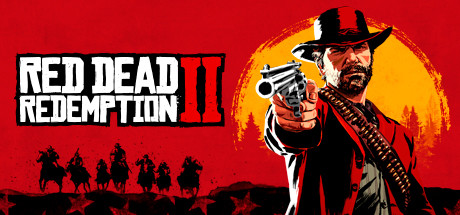
- Red Dead Redemption 2 – A Western epic with breathtaking landscapes and lifelike detail.
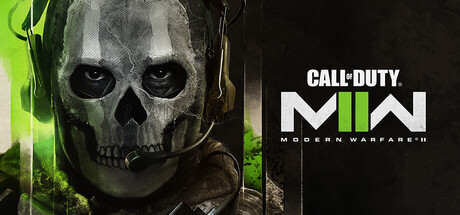
- Call of Duty: Modern Warfare II (2022) – Military realism with highly detailed environments and characters.
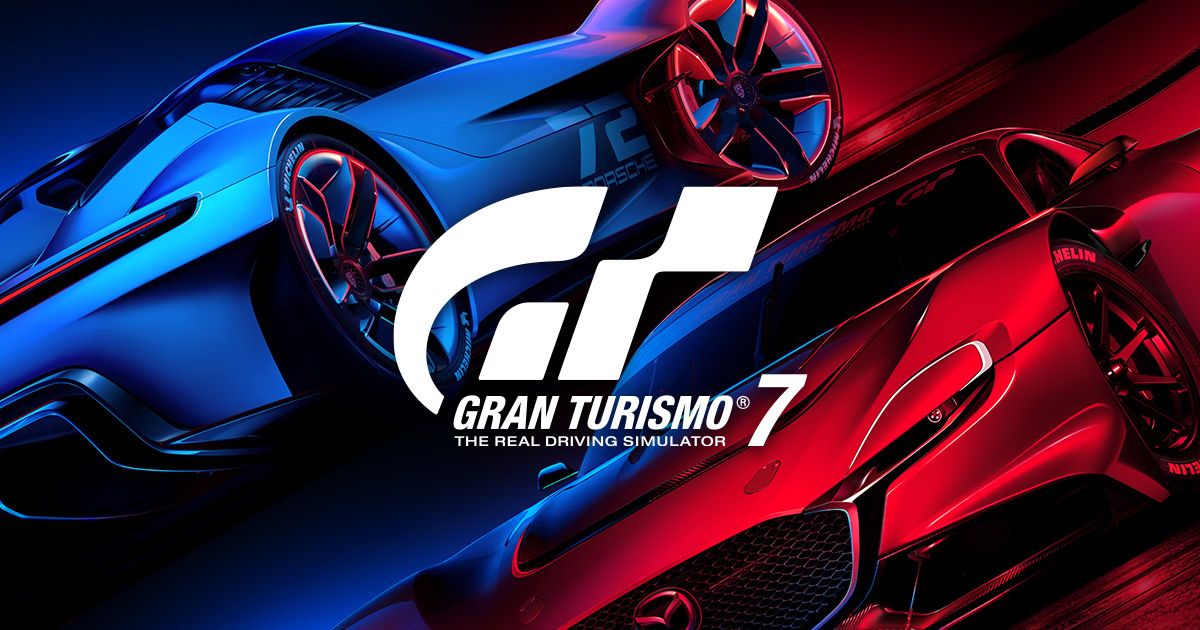
- Gran Turismo 7 – A racing simulation praised for its photorealistic cars and tracks.
Poster: Steam
Stylized Art Style
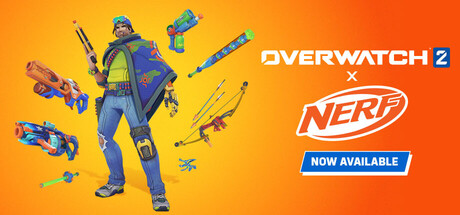
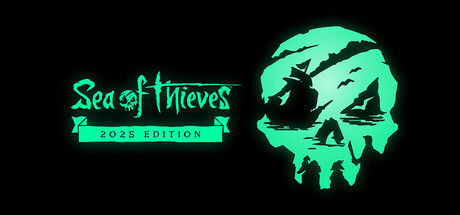
The stylized art style takes inspiration from reality but exaggerates or simplifies elements to create a unique look.
Instead of focusing on lifelike visuals, it emphasizes artistic choices such as bold shapes, exaggerated proportions, and vibrant colors.
This approach allows games to stand out visually, often feeling timeless compared to purely realistic graphics that can age more quickly.
One of the major strengths of stylization is its flexibility.
Developers can create visually striking worlds without needing the enormous resources required for realism.
Stylized art can also make games more accessible, appealing to a wider range of audiences, including younger players, while still delivering memorable aesthetics.
Stylized games are found across many genres, from shooters to RPGs, and are often celebrated for their creativity and personality.
Some notable examples include:
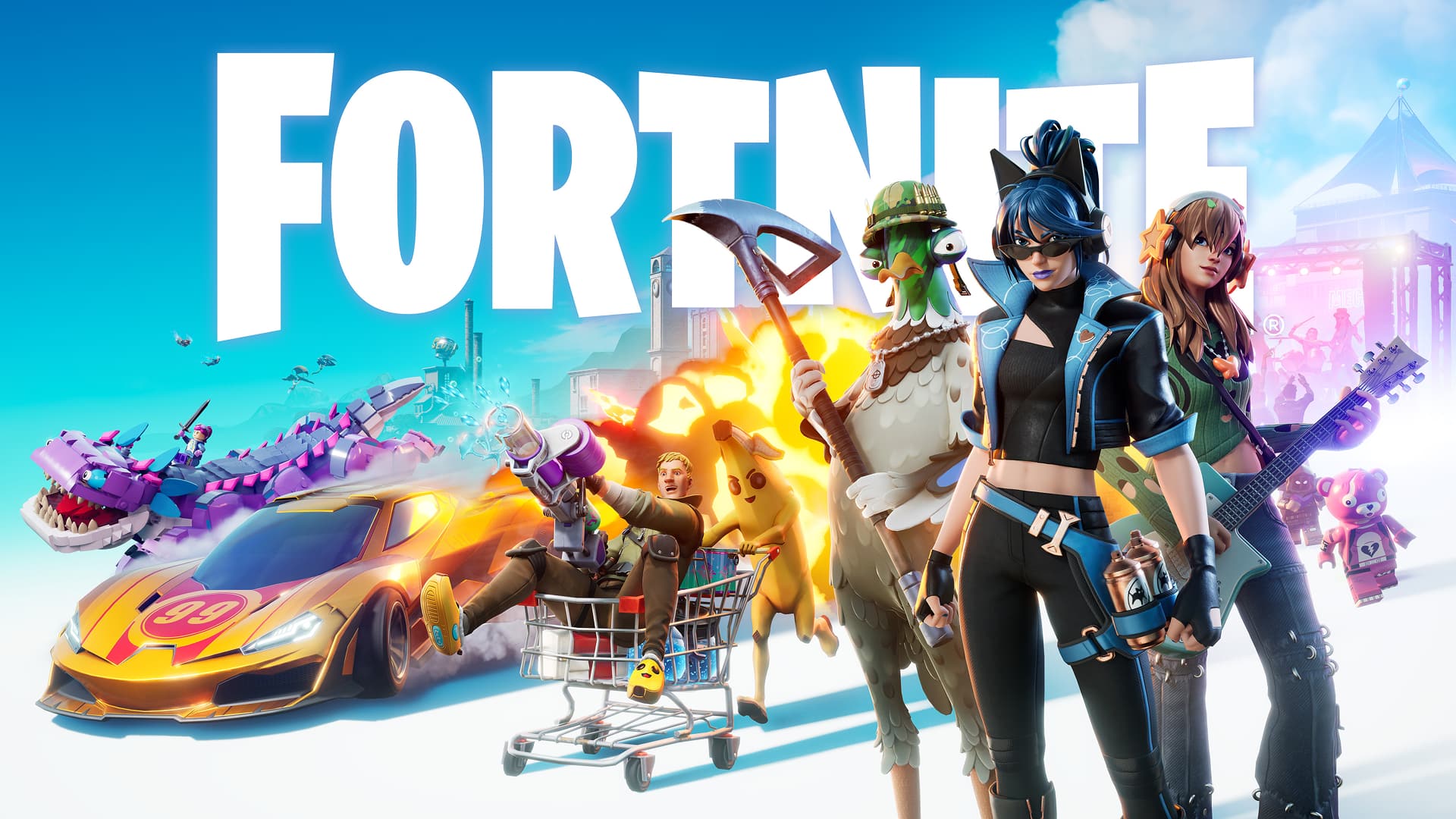
- Fortnite – Bright, exaggerated visuals with cartoon-like characters.
- Overwatch 2 – Colorful hero designs with bold silhouettes and expressive animations.
- Sea of Thieves – A pirate-themed world with stylized water, characters, and environments.
Cartoon Art Style
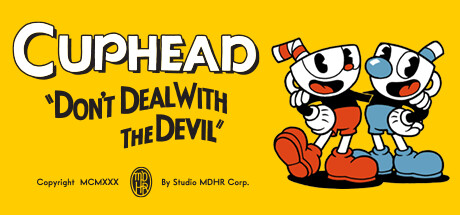
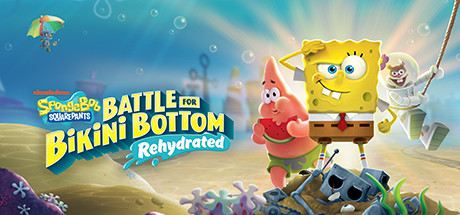
The cartoon art style embraces simplicity, exaggeration, and humor, often resembling animated TV shows or comic books.
It uses bold outlines, bright colors, and playful character designs to create a lighthearted and approachable experience.
This style prioritizes expression and creativity over realism, giving developers the freedom to build fun and imaginative worlds.
A major advantage of cartoon visuals is their timelessness.
While realistic graphics may age quickly as technology improves, cartoon art often maintains its charm for years.
It is also highly flexible, making it suitable for both family-friendly games and quirky indie titles.
Cartoon-styled games often rely on exaggerated animations and humor to entertain players.
Some notable examples include:
- Cuphead – A run-and-gun platformer with visuals inspired by 1930s cartoons.
- Looney Tunes: World of Mayhem – A mobile RPG featuring iconic cartoon characters.
- SpongeBob SquarePants: Battle for Bikini Bottom – Rehydrated – A colorful remake of a classic cartoon-based game.

Pixel Art Style
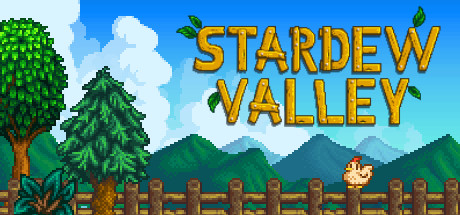
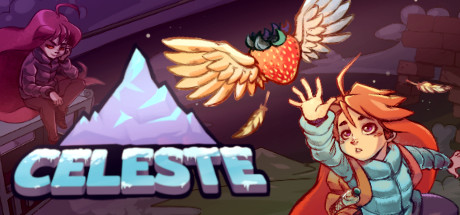
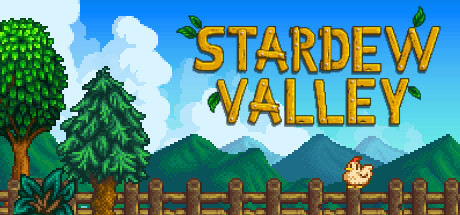
The pixel art style is inspired by the limitations of early video game consoles, where graphics were built from small pixel blocks.
Despite its retro origins, pixel art has become a deliberate stylistic choice in modern games, offering nostalgic appeal while allowing for creative visual expression.
It combines simplicity with charm, often giving games a unique identity that resonates with both old-school and new players.
One of the strengths of pixel art is accessibility for indie developers.
It requires fewer resources compared to realistic graphics, yet it can still deliver powerful storytelling and atmosphere.
Pixel art can be highly expressive through color, animation, and clever use of detail, proving that technical simplicity does not mean artistic weakness.
Today, pixel art remains popular in genres like RPGs, platformers, and roguelikes.
Some notable examples include:
- Stardew Valley – A farming simulation game with charming 16-bit-inspired visuals.
- Celeste – A challenging platformer with beautifully crafted pixel art and emotional storytelling.
- Undertale – A narrative-driven RPG that uses pixel art to create a unique and memorable atmosphere.
Low Poly Art Style
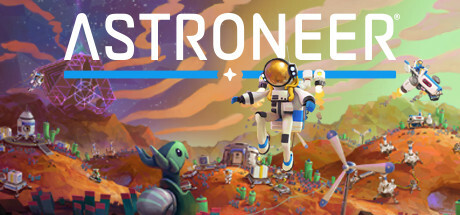
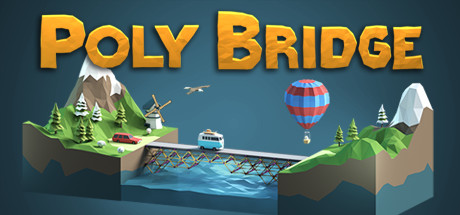
The low poly art style is characterized by simple 3D models made with a small number of polygons, giving objects and characters a blocky, geometric look.
Originally born from the limitations of early 3D hardware, low poly has now become an intentional stylistic choice, appreciated for its clean, minimalist appearance.
It allows developers to create visually striking worlds without the heavy resource demands of high-detail realism.
One of the biggest strengths of low poly is its efficiency.
Because models are lightweight, games using this style can run smoothly on a wide range of hardware, making them popular for indie and mobile developers.
The simplicity also gives artists freedom to focus on color, composition, and atmosphere rather than ultra-detailed realism.
Low poly visuals can evoke nostalgia for early 3D games while also feeling modern and artistic.
Some notable examples include:
- Astroneer – A colorful space exploration game with clean low-poly environments.
- Poly Bridge – A creative physics-based puzzle game with low-poly visuals.
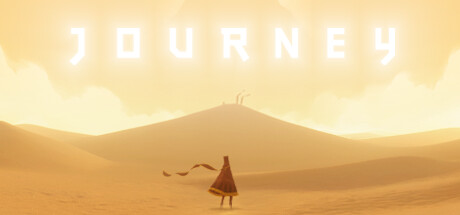
- Journey – A visually stunning adventure that combines minimalism with emotional storytelling.
Hand-Drawn Art Style
The hand-drawn art style is inspired by traditional illustration, where every character, environment, and animation is crafted to look like it was drawn by hand.
This style creates a unique artistic identity, often giving games a warm, organic, and personal feel compared to digital realism.
It allows developers to experiment with creative visuals that resemble storybooks, comics, or animated films.
A key strength of hand-drawn visuals is their ability to convey strong emotions and personality.
Because each asset is crafted with care, these games often feel more intimate and expressive.
They can range from whimsical and lighthearted to dark and atmospheric, depending on the artistic direction.
Hand-drawn styles are especially common in indie games, platformers, and narrative-driven experiences.
Some notable examples include:
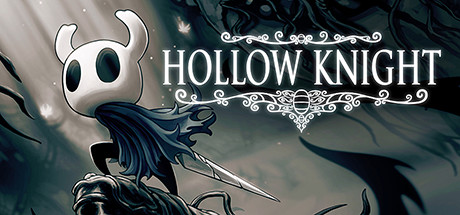
- Hollow Knight – A dark and atmospheric Metroidvania with hand-illustrated environments.
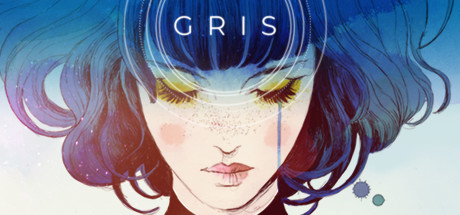
- Gris – A visually stunning platformer that feels like a watercolor painting in motion.
- Cuphead – Combines hand-drawn animation with 1930s cartoon aesthetics.
Photoreal Art Style
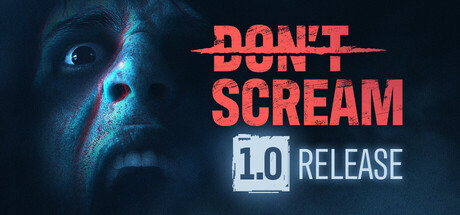
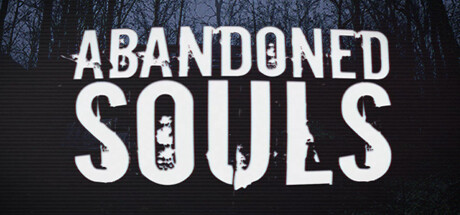
The photoreal art style pushes the boundaries of visual fidelity, aiming to replicate real-world imagery with extreme accuracy.
Using advanced rendering techniques, detailed textures, and realistic lighting, these games blur the line between virtual environments and actual photography.
Photorealism enhances immersion by making players feel like they are truly inside a real-world setting.
One of the main advantages of photoreal visuals is their ability to create powerful atmospheres, especially in genres like horror and simulation.
When combined with sound design and gameplay, realistic graphics can amplify tension and emotional engagement.
However, this style is also the most demanding, requiring high-end hardware and extensive production resources.
Photoreal games often showcase the technical capabilities of modern engines such as Unreal Engine 5.
Some notable examples include:
- DON’T SCREAM – A found-footage horror game built in Unreal Engine 5 with lifelike forest environments.
- Abandoned Souls – A horror experience featuring realistic interiors and atmospheric lighting.
- Cursed Tape – A photorealistic horror game inspired by VHS aesthetics and unsettling realism.

Minimalist Art Style
The minimalist art style focuses on simplicity, using limited details, shapes, and colors to create clean and striking visuals.
Instead of overwhelming players with complex graphics, it emphasizes clarity and atmosphere through reduction.
This style often relies on strong composition, contrast, and symbolism to deliver an impactful experience.
One of the strengths of minimalist visuals is how they let gameplay and emotion take center stage.
By stripping away unnecessary detail, players can focus on the mechanics, story, or mood.
Minimalist design also tends to age well, maintaining a timeless aesthetic that feels fresh even years after release.
Minimalist games are common in indie titles and experimental projects, where simplicity enhances creativity.
Some notable examples include:
- Monument Valley – A puzzle game with simple geometric shapes and impossible architecture.
- Journey – A visually elegant game that uses minimalism to heighten emotional impact.
- Thomas Was Alone – A narrative-driven puzzle platformer where simple shapes represent complex characters.


Cel-Shaded Art Style
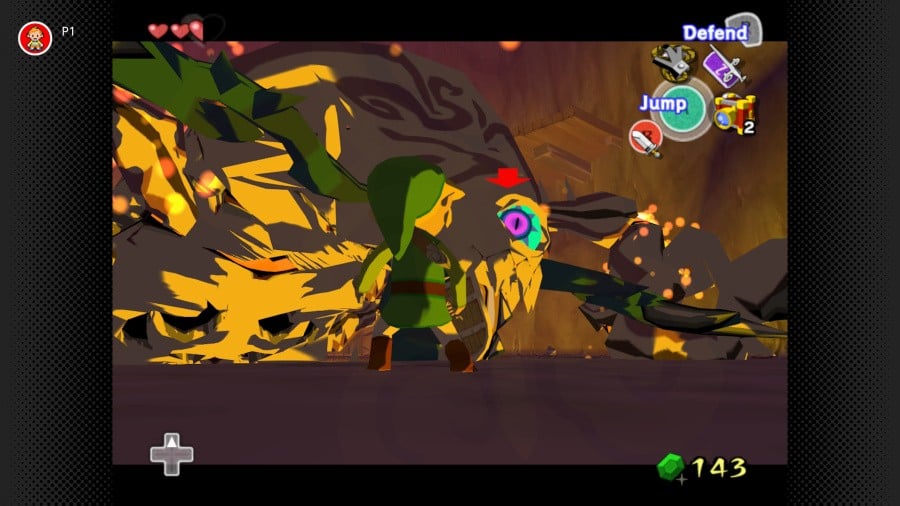
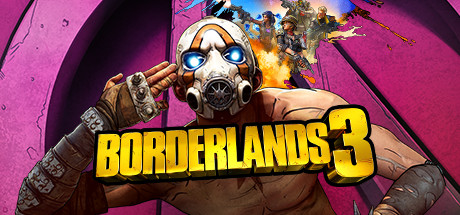
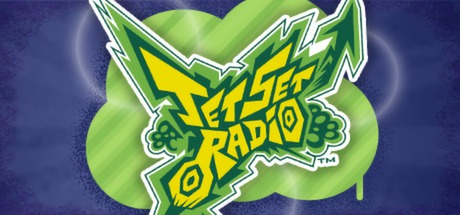
The cel-shaded art style is designed to make 3D graphics look like hand-drawn cartoons or comic books.
Instead of using realistic shading and lighting, cel-shading relies on flat colors, sharp edges, and bold outlines.
This creates a vibrant, stylized look that stands out from photorealism.
One of the strengths of cel-shading is its timeless appeal.
While realistic graphics may age as technology advances, cel-shaded visuals often remain visually striking for decades.
The style also allows developers to create expressive characters and worlds without requiring massive budgets.
Cel-shaded games often carry a playful, artistic vibe but can also be used in dramatic or serious settings.
This versatility has made the style popular across different genres, from shooters to RPGs.
Notable examples include:
- The Legend of Zelda: The Wind Waker – A colorful, cel-shaded reimagining of Zelda’s world.
- Borderlands 3 – A comic book-style shooter with bold outlines and exaggerated visuals.
- Jet Set Radio – A cult classic known for its graffiti-inspired cel-shaded look.
Retro / 8-Bit & 16-Bit Pixel Art Style
The retro pixel art style is inspired by the limitations of early consoles like the NES, SNES, and Sega Genesis.
It uses low-resolution sprites and limited color palettes, evoking nostalgia while still delivering modern gameplay.
Many indie developers adopt this style to pay homage to the golden age of gaming.
One of the main strengths of retro pixel art is its simplicity and charm.
Despite its technical limitations, it can convey emotion, atmosphere, and storytelling in powerful ways.
Modern tools allow developers to enhance classic visuals with smoother animation and dynamic effects while keeping the nostalgic feel.
Retro styles are also highly accessible for small teams, since they require fewer resources compared to photorealistic graphics.
They remain popular among indie studios and players who grew up with older consoles.
Notable examples include:
- Shovel Knight – A modern game built with authentic 8-bit aesthetics.
- Stardew Valley – A farming RPG inspired by SNES-style visuals.
- Undertale – A narrative-driven RPG with a retro pixel art style.

Monochrome / Limited Palette Art Style
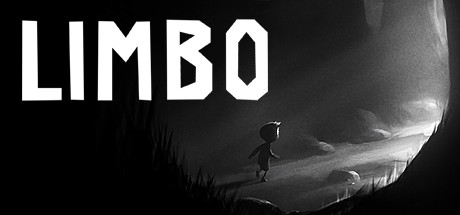
The monochrome or limited palette art style relies on a very restricted set of colors—sometimes just black and white, or a few carefully chosen shades.
This minimal use of color creates a strong atmosphere, often evoking mystery, tension, or nostalgia.
Instead of detail-heavy visuals, the power of the style lies in contrast and symbolism.
One of the strengths of limited palette visuals is their emotional intensity.
By stripping away excess detail, developers can focus the player’s attention on shapes, silhouettes, and mood.
This approach often enhances storytelling, giving the experience a more artistic or experimental feel.
While less common in mainstream titles, monochrome and limited palette styles thrive in indie and art-focused games.
They prove that powerful experiences can be created without high-end graphics.
Notable examples include:
- Limbo – A dark, atmospheric puzzle-platformer in pure black and white.
- Return of the Obra Dinn – A mystery game styled like old monochrome computer graphics.
- Minit – A minimalist adventure played in 60-second runs with a black-and-white palette.


Abstract Art Style
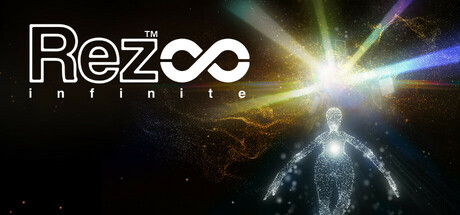
The abstract art style breaks away from realism and focuses on shapes, colors, patterns, and surreal visuals rather than literal representations.
Instead of recreating the real world, abstract games use experimental forms to create unique emotional or sensory experiences.
This style often emphasizes mood, rhythm, or gameplay mechanics over narrative or realism.
One of the main strengths of abstract visuals is their freedom of creativity.
Without the constraints of realistic design, developers can invent entirely new worlds that feel dreamlike, symbolic, or purely conceptual.
Abstract visuals are especially powerful in rhythm games, experimental indies, and titles that want to challenge traditional expectations.
While not as mainstream as realistic or stylized graphics, abstract art has produced some of the most memorable artistic experiences in gaming.
These games often become cult classics, admired for their boldness and creativity.
Notable examples include:
- Geometry Wars 3: Dimensions – A neon-filled twin-stick shooter with abstract visuals.
- Rez Infinite – A rhythm-based shooter combining music and abstract cyber visuals.
- Antichamber – A puzzle game where abstract environments constantly defy logic and expectations.


Vector Art Style
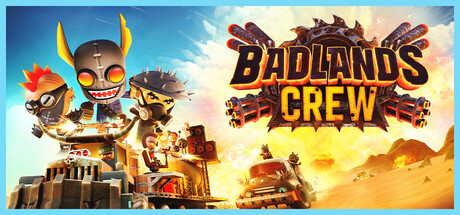
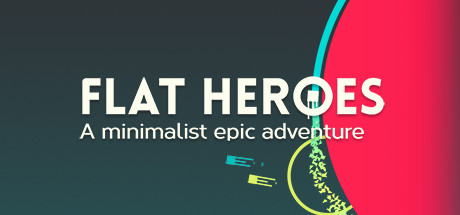
The vector art style uses clean geometric shapes, sharp lines, and scalable graphics that maintain clarity at any resolution.
This style is often colorful, minimalist, and easy to read, making it popular for indie games and mobile titles.
Because it’s resolution-independent, vector art looks sharp whether on a small phone screen or a large monitor.
One of the strengths of vector art is its clarity and accessibility.
It allows developers to communicate gameplay information quickly, which is especially important in fast-paced or casual games.
Its simplicity also reduces production costs while still allowing for a polished and professional look.
Vector-based visuals often carry a modern, stylish feel.
They are well-suited for puzzle games, arcade-style experiences, and mobile hits that prioritize gameplay over realism.
Notable examples include:
- Thomas Was Alone – A minimalist puzzle-platformer using simple vector shapes.
- Badland – A side-scrolling adventure with vector silhouettes and glowing backgrounds.
- Flat Heroes – A fast-paced action game featuring abstract vector visuals.

Isometric Art Style
The isometric art style presents environments from a fixed angled perspective, usually around 30–45 degrees, creating the illusion of 3D depth on a 2D plane.
It became popular in classic strategy and RPG titles, offering players a broad view of the environment while keeping visuals clean and organized.
Isometric visuals balance detail and readability, making them ideal for games where tactical awareness is key.
One of the strengths of isometric art is its clarity and functionality.
By showing environments from a diagonal angle, players can easily see characters, enemies, and terrain at the same time.
This makes it especially effective for strategy games, RPGs, and management sims where positioning and information are crucial.
Although originally a product of technical limitations, isometric art has endured as a stylistic choice.
Modern developers use it both for nostalgia and for practical gameplay benefits.
Notable examples include:
- Disco Elysium – A narrative-driven RPG with painterly isometric visuals.
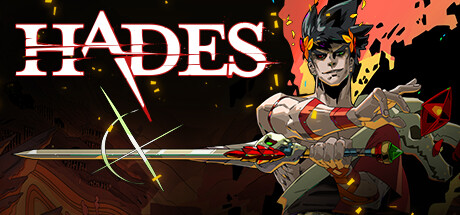
- Hades – A roguelike action game using vibrant isometric art for fluid combat.
- SimCity 2000 – A city-building classic that popularized the isometric perspective.

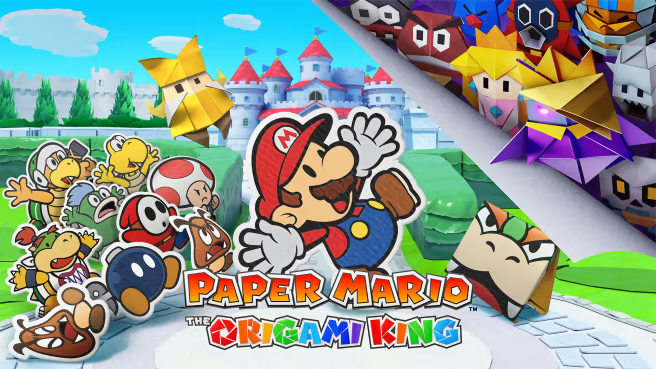
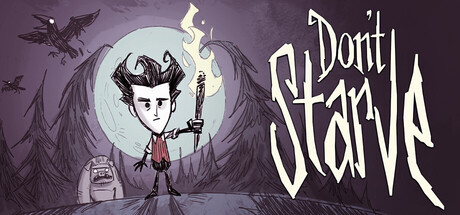
Cutout / Paper Art Style
The cutout or paper art style makes games look as if they are crafted from paper, cardboard, or flat 2D cutouts.
Characters and environments often resemble handmade artwork, with textures mimicking folded, layered, or drawn paper.
This style creates a charming, storybook-like atmosphere that stands out from more traditional visuals.
One of the key strengths of paper-style graphics is their unique aesthetic and personality.
They often feel whimsical, playful, or even satirical, depending on the narrative tone.
Because the visuals lean on creativity rather than realism, they remain visually timeless while being less resource-intensive.
Paper and cutout styles are often used in RPGs, adventures, and indie games where artistic expression is as important as gameplay.
They also allow developers to blend humor, fantasy, and imagination in ways that realistic art styles can’t achieve.
Notable examples include:
- Paper Mario: The Origami King – A Mario RPG with characters and worlds made of paper and origami.
- Don’t Starve – A survival game with hand-drawn cutout characters in a dark, whimsical world.
- South Park: The Stick of Truth – A comedy RPG designed to look identical to the TV show’s paper cutout animation.

Photobashing / Mixed Media Style
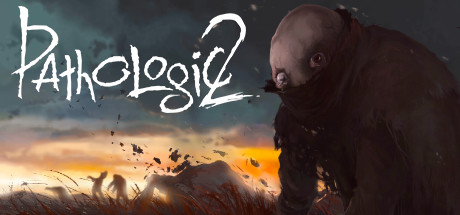
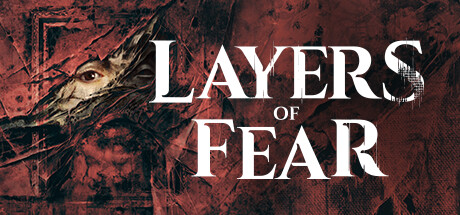
The photobashing or mixed media art style blends real-world photography with digital painting or 3D rendering.
By combining photographic textures and images with hand-drawn or digital elements, this style achieves a surreal and often unsettling look.
It’s especially popular in concept art and experimental indie games where realism collides with abstraction.
The strength of this style lies in its unique and striking visuals.
Photobashing can create worlds that feel both familiar and alien, realistic yet dreamlike.
This duality makes it particularly effective for horror, psychological, or narrative-driven games where atmosphere is key.
While not as common as other styles, mixed media art has carved out a niche for creative and avant-garde projects.
It challenges traditional ideas of game visuals, pushing boundaries and evoking strong emotional reactions.
Notable examples include:
- Pathologic 2 – A survival horror RPG with unsettling photobashed environments.
- Layers of Fear – A psychological horror game blending painted and realistic textures.
- Darq – A surreal indie horror game with photoreal and abstract elements.

Complete List of Game Art Styles
- Realistic Art Style
- High-fidelity realism
- Immersive environments
- Examples: Red Dead Redemption 2, The Last of Us Part II, Call of Duty: Modern Warfare
- Stylized Art Style
- Exaggerated proportions, creative visuals
- Mix of realism and fantasy
- Examples: World of Warcraft, Fortnite, Sea of Thieves
- Cartoon Art Style
- Bright colors, exaggerated characters
- Family-friendly and humorous tones
- Examples: Cuphead, Plants vs. Zombies, Rayman Legends
- Pixel Art Style
- Retro-inspired, grid-based art
- Often 2D side-scrollers and indies
- Examples: Celeste, Hyper Light Drifter, Dead Cells
- Low Poly Art Style
- Simplified polygon shapes
- Clean, minimalist 3D look
- Examples: Journey, Grow Home, Valheim
- Hand-Drawn Art Style
- Illustrative visuals, storybook feel
- Often indie and narrative-driven
- Examples: Hollow Knight, Ori and the Blind Forest, Gris
- Photoreal Art Style
- Pushing for lifelike visuals
- Often horror or cinematic titles
- Examples: DON’T SCREAM, Abandoned Souls, Cursed Tape
- Minimalist Art Style
- Focus on simplicity and negative space
- Limited colors, clean forms
- Examples: Journey, Monument Valley, Thomas Was Alone
- Cel-Shaded Art Style
- Comic/cartoon rendering with bold outlines
- Examples: The Legend of Zelda: Wind Waker, Borderlands, Jet Set Radio
- Retro / 8-Bit & 16-Bit Pixel Art Style
- Classic console-inspired pixel graphics
- Examples: Shovel Knight, Stardew Valley, Undertale
- Monochrome / Limited Palette Art Style
- Restricted color use, high contrast
- Examples: Limbo, Return of the Obra Dinn, Minit
- Abstract Art Style
- Surreal visuals, experimental forms
- Examples: Geometry Wars, Rez Infinite, Antichamber
- Vector Art Style
- Clean, geometric shapes and lines
- Examples: Thomas Was Alone, Badland, Flat Heroes
- Isometric Art Style
- Diagonal/top-down perspective, pseudo-3D
- Examples: Disco Elysium, Hades, SimCity 2000
- Cutout / Paper Art Style
- Paper-like textures, layered cutout visuals
- Examples: Paper Mario: The Origami King, Don’t Starve, South Park: The Stick of Truth
- Photobashing / Mixed Media Style
- Combination of photography, digital painting, and surreal design
- Examples: Pathologic 2, Layers of Fear, Darq
Conclusion – Game Art Styles
Art styles in video games are far more than just visual decoration—they are a core part of game identity.
The way a game looks can shape how players feel, how immersive the world becomes, and even how accessible the experience is.
From the lifelike realism of photoreal graphics to the timeless charm of pixel art, every style has its own strengths and audience.
While core styles like Realistic, Stylized, Cartoon, Pixel, and Hand-Drawn dominate much of the industry, the expansion of indie development has led to a rise in extended and experimental styles such as Cel-Shading, Monochrome, Abstract, and Mixed Media.
These approaches give developers endless opportunities to express creativity, stand out from the crowd, and build unique experiences.
It’s also important to recognize that art styles are not rigid categories.
Many games blend multiple styles to create something new and unforgettable.
For aspiring developers and students, understanding art styles means gaining a deeper appreciation for how visual choices influence gameplay, storytelling, and player engagement.
Ultimately, the diversity of art styles reflects the diversity of players and creators themselves.
Whether a game is minimalist, colorful, surreal, or hyper-realistic, its art style helps define its soul and ensures it leaves a lasting impression.
End of Part-03 (Stylized Art Style)

Author: Pouria Mojdeh

Sources:

References – Game Genres & Art Styles
📚 Books

The Gamer’s Brain: How Neuroscience and UX Can Impact Video Game Design – Celia Hodent

The Art of Game Design: A Book of Lenses – Jesse Schell

Rules of Play: Game Design Fundamentals – Katie Salen & Eric Zimmerman

Game Design Workshop: A Playcentric Approach to Creating Innovative Games – Tracy Fullerton

Drawing Basics and Video Game Art – Chris Solarski

Interactive Storytelling for Video Games – Josiah Lebowitz & Chris Klug

Game Feel: A Game Designer’s Guide to Virtual Sensation – Steve Swink

🌐 Websites & Articles

Steam
 – Game marketplace, genre classifications.

Nintendo
 – Family and cartoon-style art references.

Blizzard Entertainment
 – Known for stylized RPG and strategy art.

Epic Games
 – Unreal Engine showcase, photoreal examples.

Unity
 – Case studies for indie and mobile art styles.

Godot Engine
 – Open-source engine with pixel and vector examples.

Crytek
 – Photoreal rendering with CryEngine.

Valve
 – Source engine, stylized and experimental projects.

IGN
 – Genre breakdowns, reviews, and art direction analysis.

Game Developer (Gamasutra)
 – Articles on design, genres, and art pipelines.

Polygon
 – Features on indie games and unique art styles.

Kotaku
 – Commentary on experimental and stylized art in games.

🎨 Art & Style-Specific Resources

ArtStation
 – Game art portfolios and industry styles.

Behance
 – Collections of game concept art and stylization.

80 Level
 – Industry articles on visual styles and workflows.

CGSociety
 – Digital art community with focus on stylization techniques.

DeviantArt
 – Fan and indie experiments with game art.

Stylized Station (YouTube & Blog) – Tutorials and case studies on stylized art.

LevelUp Digital (YouTube) – Game art pipelines and breakdowns.

🗂️ Communities & Databases

MobyGames
 – Database for genres and art style classifications.

Metacritic
 – Review aggregation, often with visual commentary.

Esports Earnings
 – Data for competitive genres (sports, shooters, fighting).

Indie DB
 – Indie projects showcasing unique art styles.

Itch.io
 – Indie platform with experimental art styles and genre blends.

Use of this material without proper attribution is not permitted.