25
Aug
Who Is an Animator? Role, Skills, and Portfolio Tips

Short answer: An animator brings characters, creatures, and objects to life by creating believable movement and performance that enhances gameplay and storytelling.
Read moreShort answer: An animator brings characters, creatures, and objects to life by creating believable movement and performance that enhances gameplay and storytelling.
Read more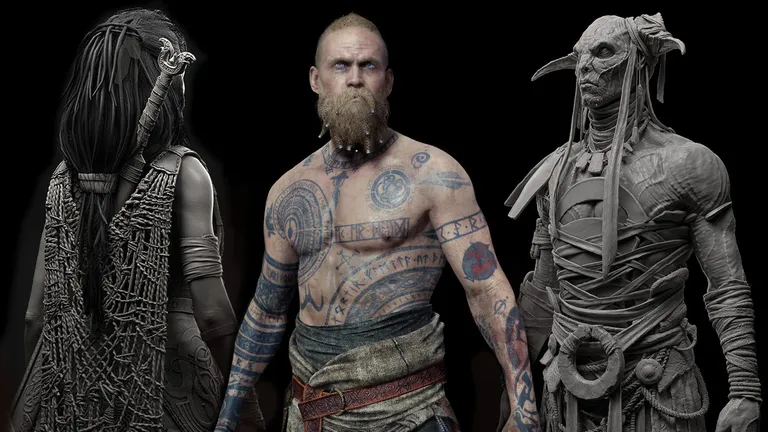
Short answer: A character artist designs and builds the characters of a game—sculpting their shapes, details, and personalities into 3D models that bring them to life.
Read more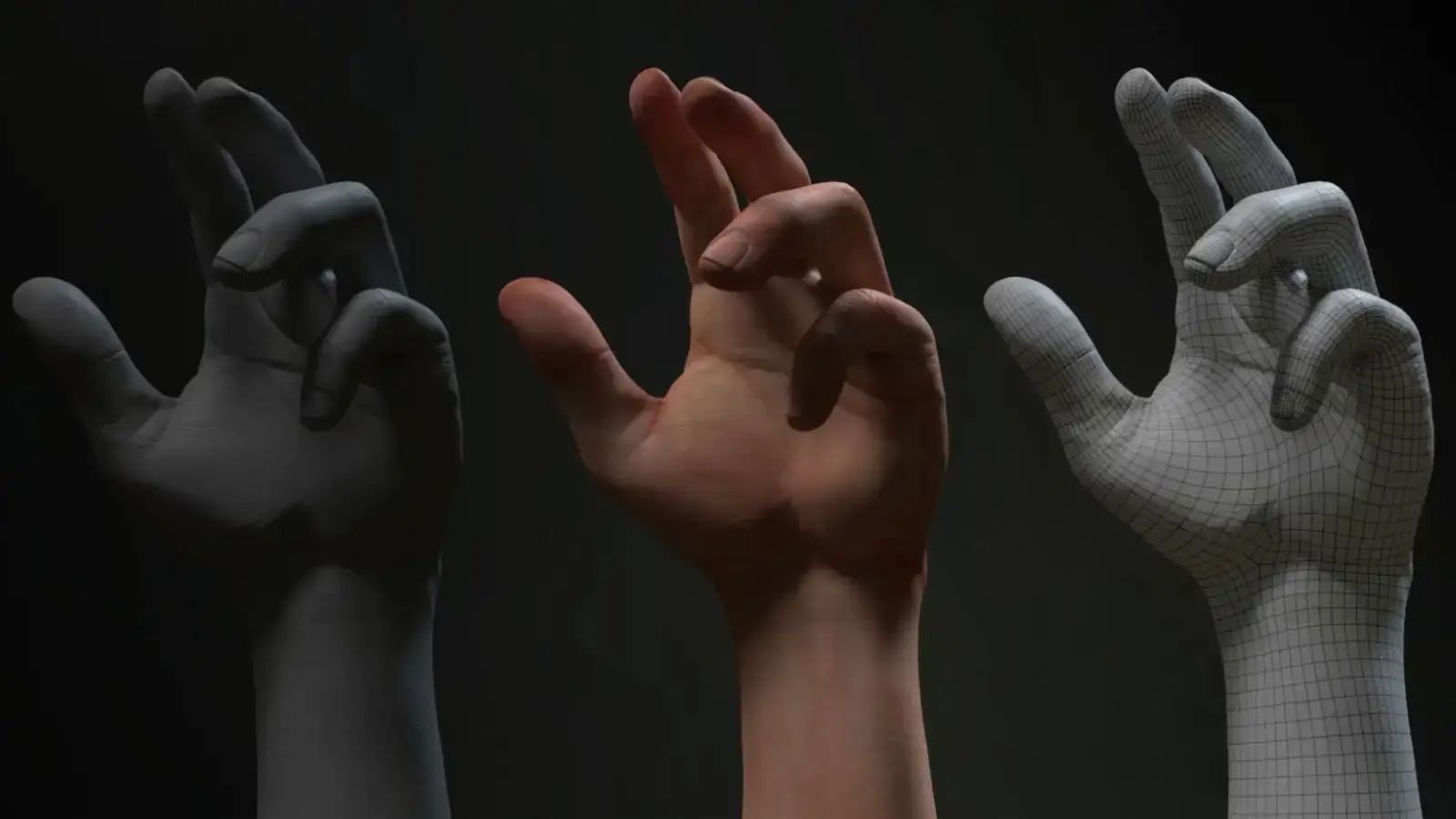
Short answer: A texture artist creates the surface details—colors, materials, and patterns—that make 3D models look believable and visually appealing inside the game engine.
Read more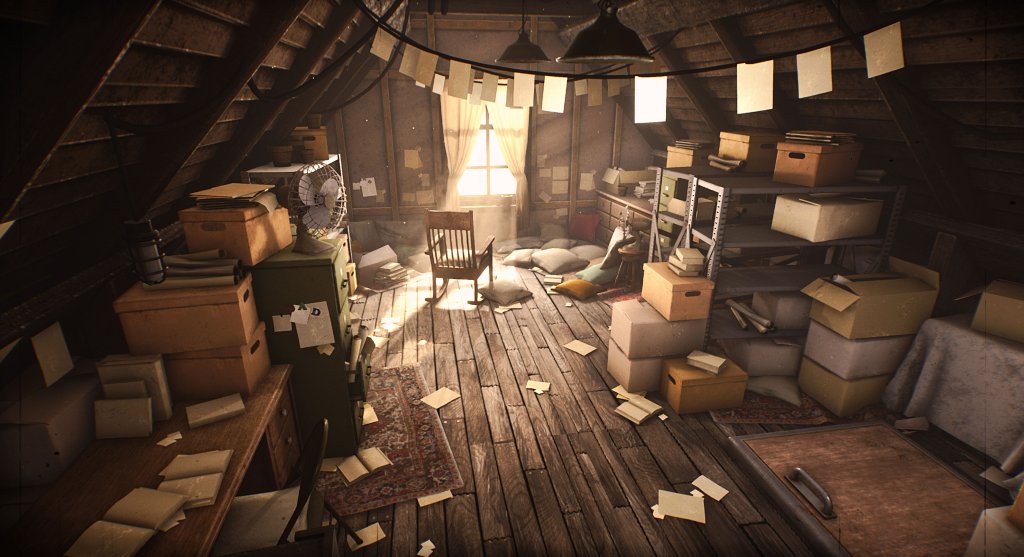
Short answer: An environment artist builds the worlds where players explore—designing and creating the 3D spaces, props, and atmospheres that bring the game’s universe to life.
Read more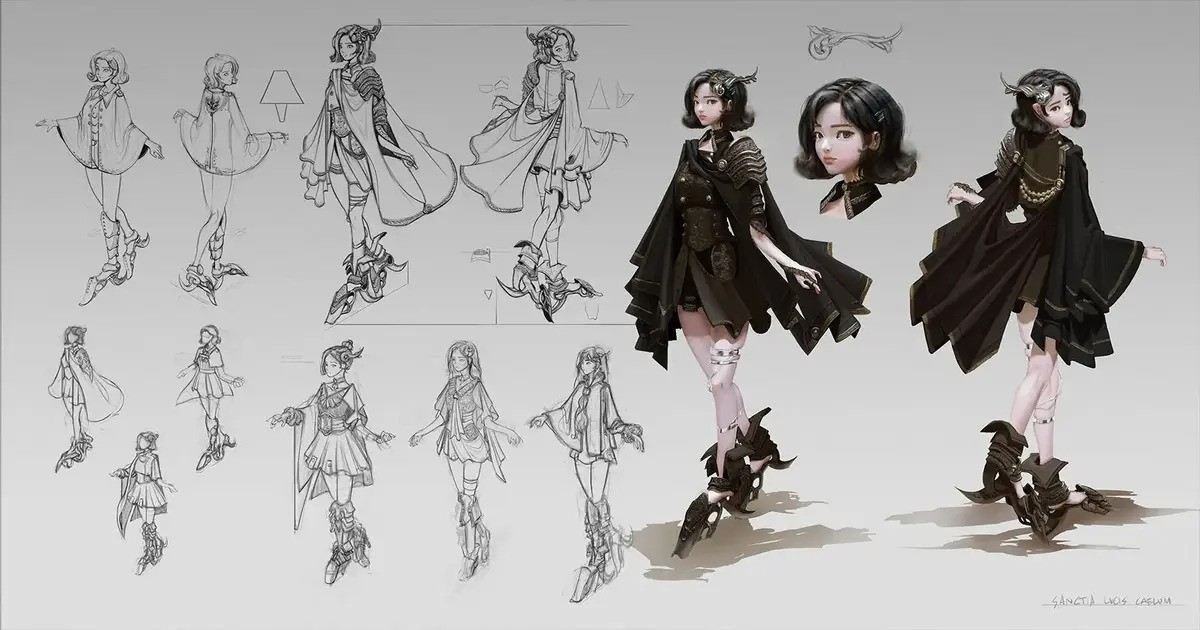
Short answer: A concept artist visualizes ideas, characters, environments, and objects early in development—turning abstract concepts into clear visual references for the whole team.
Read more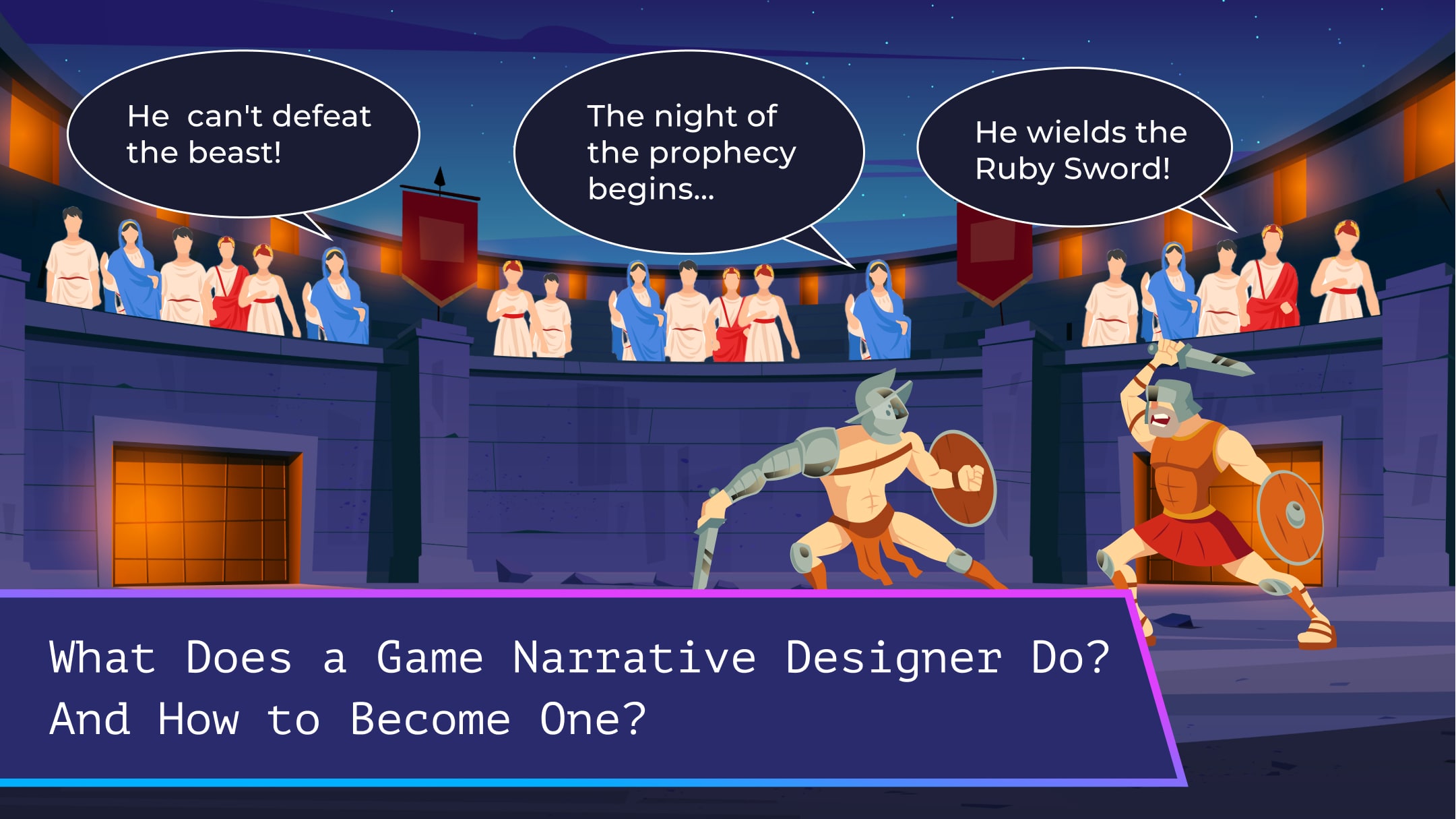
Short answer: A narrative designer shapes how story, characters, and player choice integrate into gameplay—making narrative an active part of the experience, not just background text.
Read more
Short answer: A game director is the creative and managerial lead who ensures that every aspect of a game—design, art, story, sound, and technology—comes together into a unified vision.
Read more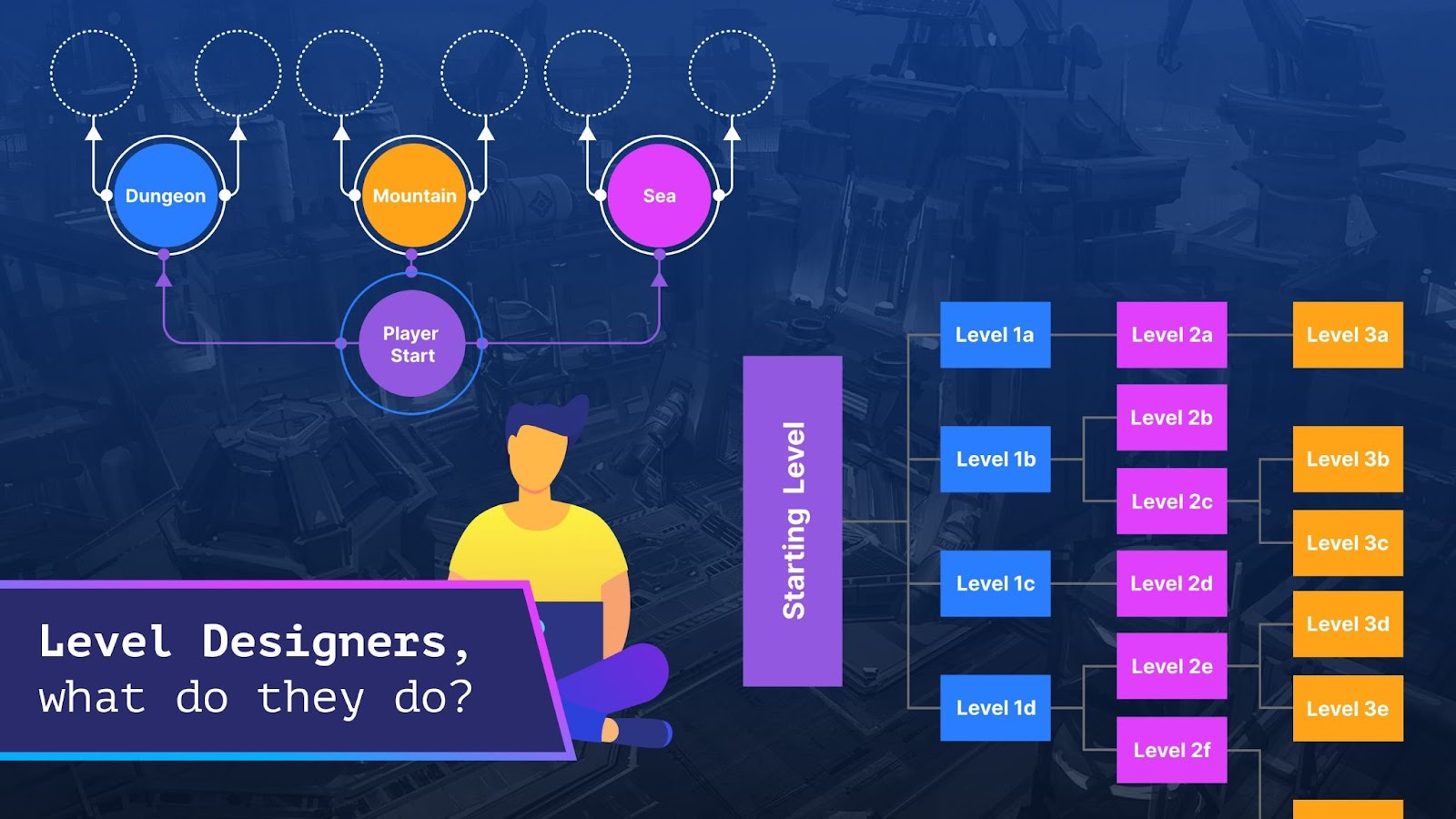
Short answer: A level designer crafts the playable spaces—layouts, encounters, pacing, and moment-to-moment challenges—so the game’s rules turn into memorable experiences.
Read more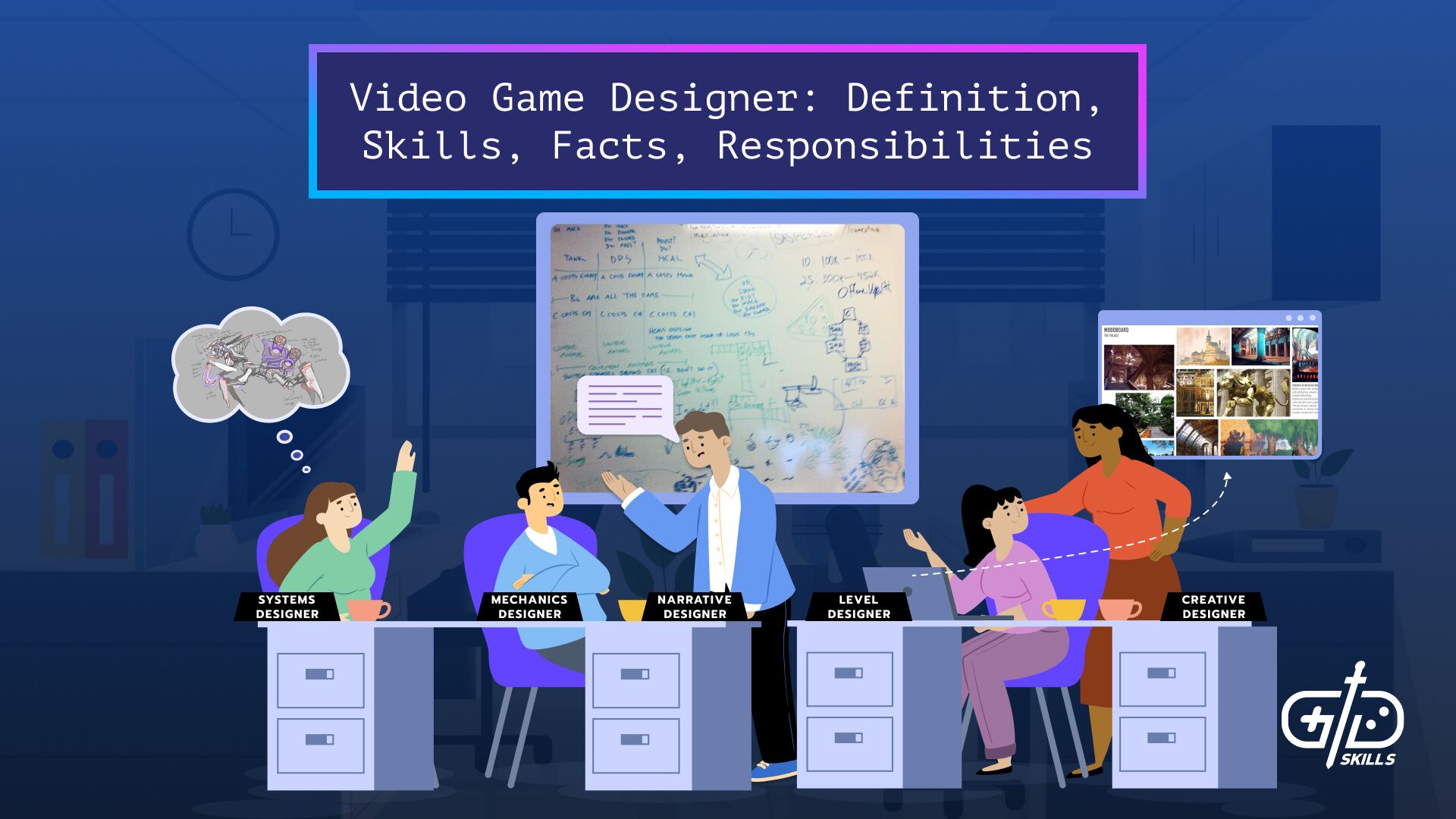
Short answer: A game designer defines how a game works and feels—its rules, systems, goals, challenges, and the moment-to-moment player experience.
Read more